
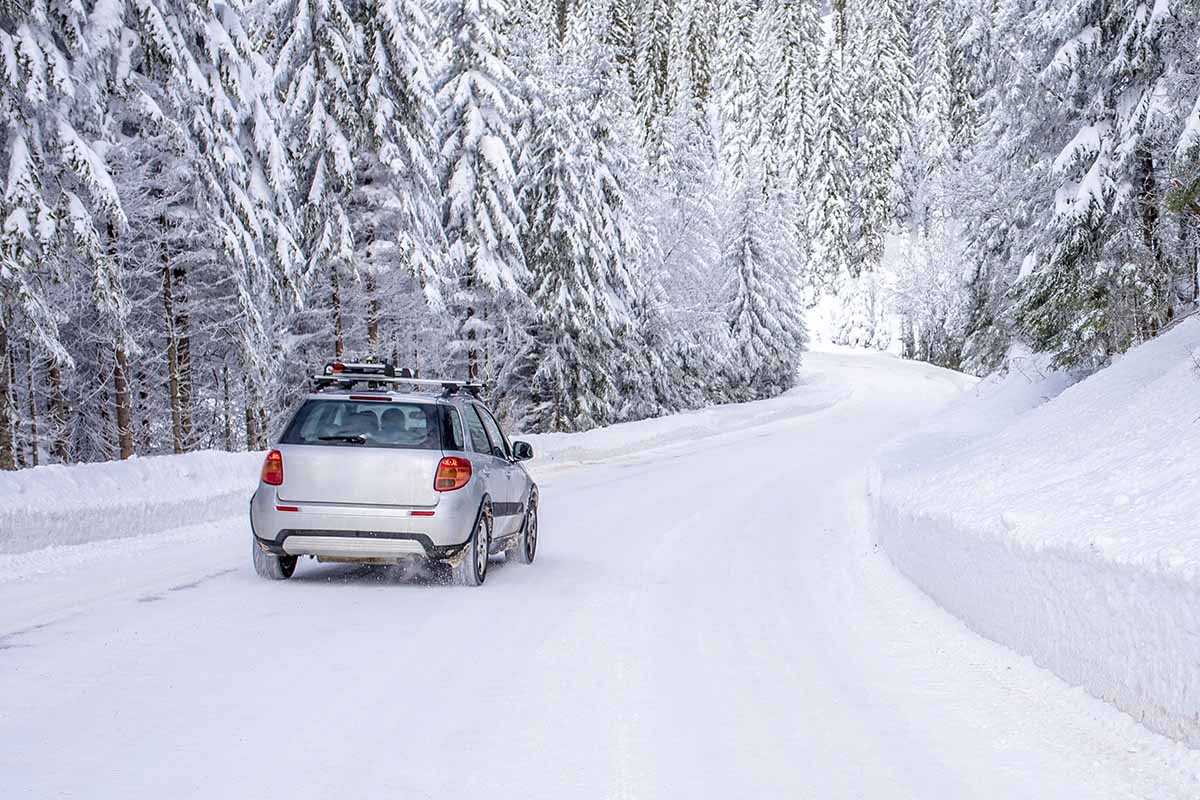
Plan a Winter Road Trip Now
✨ Key Points
- Winter road trips offer unique, less crowded experiences with stunning snowy landscapes and potentially lower travel costs due to off-peak season advantages.
- Preparing for a winter journey involves vehicle tune-ups, installing snow tires, and having an emergency plan including savings or a line of credit for unforeseen issues.
- Essential road trip preparations include packing an emergency kit, checking insurance coverage, downloading maps for offline use, and ensuring winter gear is readily accessible.
When most people picture the perfect American road trip, they imagine long summer days, open highways, and sunshine.
But some of the country’s most memorable landscapes look completely different once winter arrives—snow-covered mountains, frozen lakes, quieter national parks, and small towns that feel made for a weekend escape.
A winter road trip, however, requires more preparation than simply choosing a beautiful destination and getting in the car.
Snow and ice can increase stopping distances, daylight disappears earlier, mountain passes can close unexpectedly, and a route that looks easy on Google Maps may feel very different during a winter storm.
For a driver who isn’t used to driving in snow, those uncertainties can easily turn excitement into anxiety.
Before deciding where to go, think about the practical side of the journey:
- Check the weather and road conditions before leaving and again throughout the trip.
- Plan around daylight when possible, particularly on unfamiliar mountain or rural roads.
- Prepare your vehicle for winter driving, including tires, battery, brakes, lights, wipers, and appropriate fluids.
- Carry emergency supplies such as warm clothing, water, food, a phone charger, flashlight, and basic roadside equipment.
- Keep alternative routes and overnight stops in mind in case weather makes your original plan unsafe.
- Know when to change your plans. No viewpoint, hotel reservation, or itinerary is worth driving through conditions that exceed your experience or your vehicle’s capabilities.
Once those practical fears are addressed, winter travel becomes much easier to enjoy.
You don’t need to be an expert snow driver or plan an extreme mountain expedition.
Start with a manageable route, watch the forecast, give yourself plenty of time, and gradually build your winter driving confidence.
And that’s part of what makes a winter road trip special: you get to see familiar places in an entirely different season while proving to yourself that winter doesn’t have to mean staying home.
Here’s why it may be worth putting one on your travel list this year.
You Can Experience a Winter Wonderland
A winter road trip affords a stunning view of the world blanketed by snow and ice.
It’s a unique way to experience a new destination or your home turf.
Here are just some of the world’s most popular wintery road trips:
- The Icefields Parkway;
- Sky Highway;
- Canadian Badlands;
- The Golden Circle;
- Swedish Lapland;
- Great Smoky Mountains National Park;
- Skyline Drive;
- Bergen to the Aurlandsfjord;
- The Ring Road;
- Yosemite National Park.
Popular Tourist Sights Are Less Busy
Nothing sours a vacation more than other travelers.
They slow down your entire holiday, causing congestion on the roads and at popular tourist sights.
These crowds make it harder to see what you’ve traveled so far to see in the first place!
You can skip the annoyance of other tourists by traveling in the winter.
The travel industry considers the winter off-peak for most destinations since fewer people want to sightsee in the cold weather.
Off-Season Travel is Cheaper
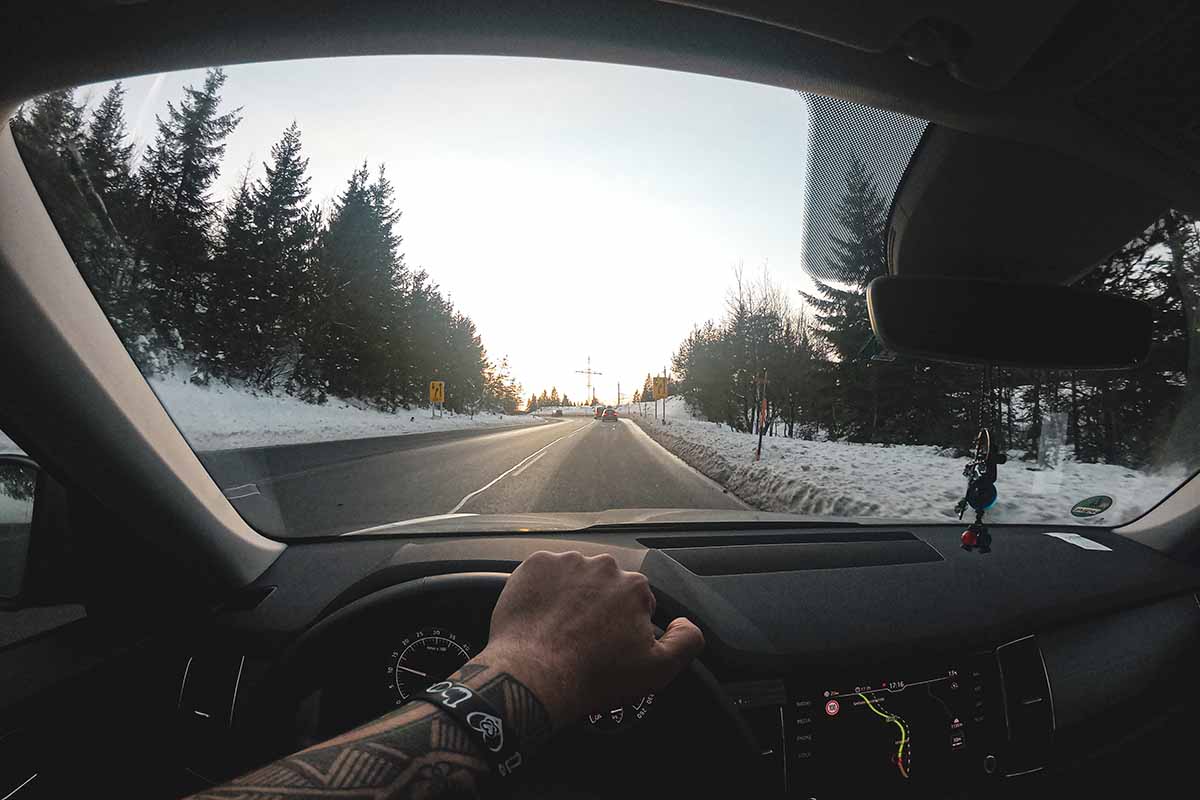
Besides having fewer crowds, off-peak travel is also cheaper.
Once you pass the New Year, you’ll notice that a vacation’s biggest expenses, airfare, and accommodations, tend to come at a discount in the winter months.
You may even notice you get a deal at the pumps while filling up.
Winter-grade fuel is less expensive than summer blends because it contains more butane, a cheaper ingredient.
How to Prepare for Your Wintertime Road Trip
Driving through cold and snowy conditions requires special attention.
Here’s how you can prepare your car and budget for the trip.
Get a Tune-Up
A wintertime trip can be hard on your vehicle, so you must ensure it’s ready for the challenge.
Bring it to your mechanic for a tune-up that checks all the important features of your car.
In particular, you want to know if your brakes, battery, and headlights will withstand the cold conditions.
Install Snow Tires
Snow tires are a wintertime essential, even if you don’t expect snow to fall where you’re going.
Snow tires are designed with special materials and tread patterns that remain more flexible in temperatures of 7° and below compared to all seasons.
That’s true even if the roads are bone dry. Due to their unique composition, snow tires are safer than all seasons.
Studies show they brake faster on cold pavement, stopping 30 to 40 percent shorter than other tires.
Know Your Emergency Plans
You never know what’s in the road ahead.
The unexpected can go one of two ways.
While talking to a local, you can learn of a hidden gem that blows you away.
Or, you can run into car trouble on the side of the road, waiting for a tow.
A fully stocked emergency fund is the most fantastic defense against unexpected car trouble.
If these emergency savings fall short, you can rely on a line of credit or credit card as a safety net to get you back safely on the roads.
Don’t worry if you don’t already have these loans , you can apply when you run into trouble.
Check out these tips for applying for a new line of credit on the go.
Just keep in mind a line of credit should only be used as a backup to savings in an emergency, like your tire needing a patch to get you home, not to finance your vacation.
Stock an Emergency Kit

If you find yourself stranded on the side of the road in bad weather, you should keep a fully stocked emergency kit in your car.
Here are some things you should include:
- First aid kit;
- Jumper cables;
- Basic toolkit;
- Sand or salt;
- Flares;
- Shovel;
- Anti-freeze and windshield washer fluids;
- Water;
- Non-perishable snacks, such as grass-fed jerky sticks;
- Ice scraper and brush;
- Tea light;
- Emergency blanket.
Brush Up on Your Insurance
Review your car insurance coverage before a long winter road trip, particularly if you’ll be driving through unfamiliar states or challenging weather conditions.
Check your deductible, collision and comprehensive coverage, roadside assistance, rental-car benefits, and what to do if you have an accident away from home.
It’s also worth confirming that your policy and emergency contact information are easy to access from your phone.
Understanding your insurance won’t prevent an accident, but it can give you more driving confidence when you’re dealing with winter driving, icy roads, night driving, or an unexpected breakdown far from home.
Download Maps
You never know when cloud cover or a snowstorm will destroy your data, rendering Google Maps useless.
Prepare in advance for these wintertime conditions by downloading the maps you know you will need.
This gives you the ability to navigate roads offline.
Better yet, buy an updated paper map and store it in your glove compartment as a backup.
Pack Your Winter Gear
You’ll want to make sure you keep all your winter gear handy, things like gloves, scarves, hats, coats, and boots, so that you can pull over and explore roadside attractions in comfort.
If you plan on hiking, invest in proper outdoor gear that wicks sweat away while keeping you warm in frigid temperatures.
Plan Your Winter Drive Today!
A winter road trip isn’t only about seeing snow-covered mountains.
It’s an opportunity to keep exploring at a time when international travel can feel increasingly complicated by changing border rules, costs, geopolitical uncertainty, and other disruptions.
The good news is that adventure doesn’t always require a passport.
A winter drive can take you to places within the U.S. you’ve never considered before:
- Discover small American towns beyond the usual tourist destinations.
- Explore national and state parks in an entirely different season.
- Spend money at local restaurants, hotels, cafés, shops, and family-owned businesses along your route.
- Learn more about the landscapes, communities, and regional cultures closer to home.
- Build your winter driving confidence while discovering how different familiar places can look outside the traditional travel season.
Domestic road trips can also spread tourism spending beyond major destinations and help support communities that depend on visitors throughout the year.
As travel continues to change, perhaps the future of exploration isn’t only about going farther.
It may also be about becoming more curious about what’s already within driving distance.
Prepare your car, check the winter road conditions, choose a route that matches your driving experience, and go see another part of the country.
The world may sometimes feel less open, but your sense of curiosity doesn’t have to become smaller with it.