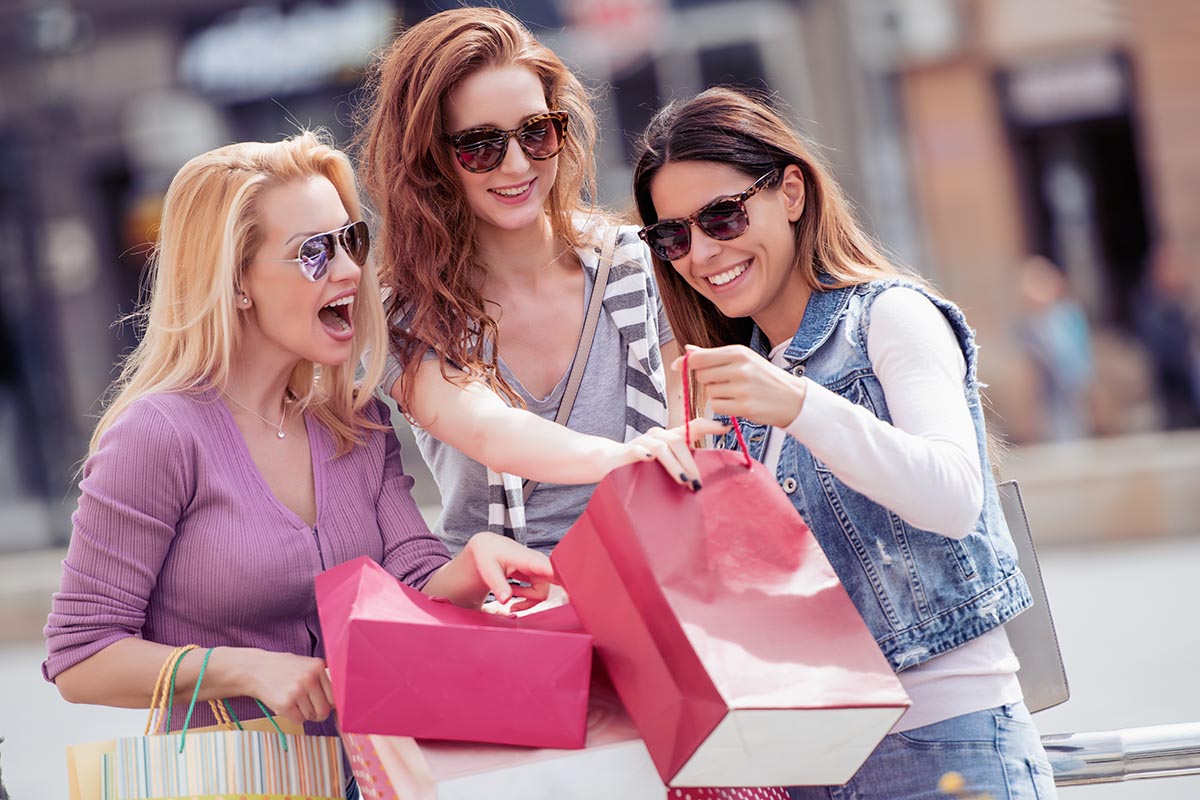
Your Personality Might Just Be The Last City You Visited
✨Key Points
- People no longer travel only for destinations. They travel for identities, aesthetics, and lifestyles they want to experience themselves.
- Social media transformed entire cities into fashion moods, influencing how people dress, shop, and express themselves while traveling.
- Fashion tourism is shifting from simple shopping toward emotional experiences, where memories and cultural connection make products feel more valuable.
Fashion Tourism Is Becoming One of the Biggest Lifestyle Trends.
People no longer travel only for beaches, museums, or food. They travel for a feeling. And fashion became part of that experience
I see, most people already do fashion tourism without realizing it. You see it in real life all the time:
- Someone walks into a linen store in Greece and instantly goes, “Oh… now I get why everybody dresses like this here.”
- A trip to Copenhagen suddenly turns into oversized neutral outfits, sneakers, coffee, and minimalist style.
- People visit Seoul and come back obsessed with clean aesthetics and skincare.
- Someone buys one simple white shirt in Italy and wears it for years because it reminds them of that trip.
That is fashion tourism, not just buying clothes.
Buying identity, mood, and lifestyle connected to a place. Social media made this even bigger. Cities themselves became aesthetics.
Paris sells elegance, Miami sells “vacation energy,” Tokyo sells futuristic streetwear and The French Riviera sells quiet luxury.
And people absorb it fast. Sometimes you arrive with one style and leave dressing completely differently after watching how locals live, move, and express themselves.
That is why fashion tourism creates so many discussions online: Are people expressing themselves… or just copying the environment around them? Probably both.
But one thing is obvious: for many people today, fashion is no longer part of travel. It became the reason for the trip itself.
Fashion Tourism and Recent Trends: Experiential Immersion
Gone are the days of passive observation.
Today, fashion tourists seek immersive experiences beyond window shopping and runway shows while also learning about navigating the fashion industry through real cultural and creative experiences.
Many travelers no longer want only luxury labels and polished storefronts because luxury fashion is losing its power as people shift toward authenticity, craftsmanship, vintage fashion, local designers, and meaningful stories behind what they wear.
Instead of simply buying products, people want to witness the creative process firsthand.
From masterclasses with renowned designers to hands-on workshops with local artisans, fashion tourism has become far more experience-driven and personal.
Travelers become part of the story itself, engaging with the craftsmanship, techniques, culture, and emotions woven into every stitch.
Sustainable Exploration
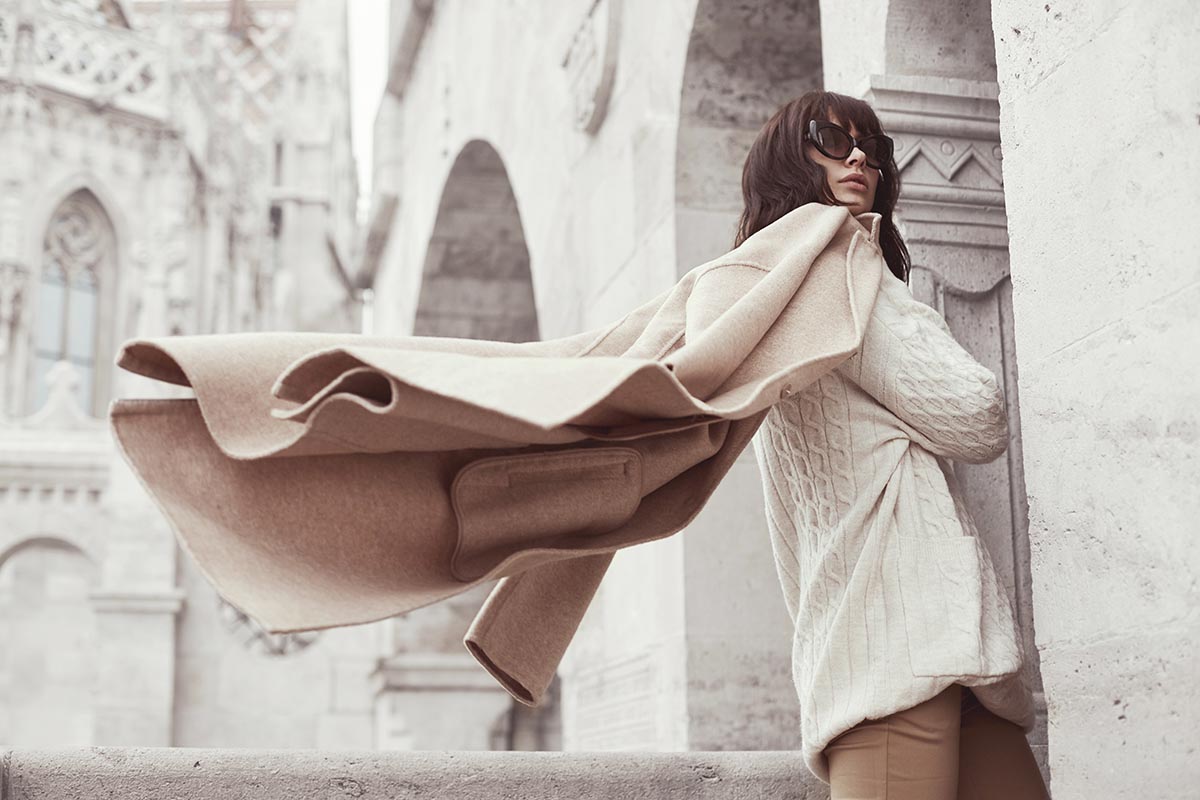
A whisper of change fills the air, promising a more conscious fashion industry.
In response, fashion tourism embraces sustainability as a core trend.
Travelers seek destinations and brands that align with their values, focusing on ethical practices, fair trade, and environmentally friendly initiatives.
Exploring sustainable fashion hubs, discovering local designers who champion eco-friendly materials, and promoting circular fashion, fashion tourists become advocates for a greener future where style and sustainability intertwine harmoniously.
Cultural Fusion
Fashion tourism celebrates the tapestry of global cultures, inspiring a trend of cultural fusion.
Travelers seek destinations where traditional craftsmanship and contemporary design blend seamlessly.
From African prints reimagined in European haute couture to Asian textiles influencing Western fashion, the cultural exchange becomes a driving force.
Fashion tourists embrace diversity, honoring the heritage and stories embedded in garments, creating a mosaic of cultural narratives that transcend borders.
Bespoke Discoveries
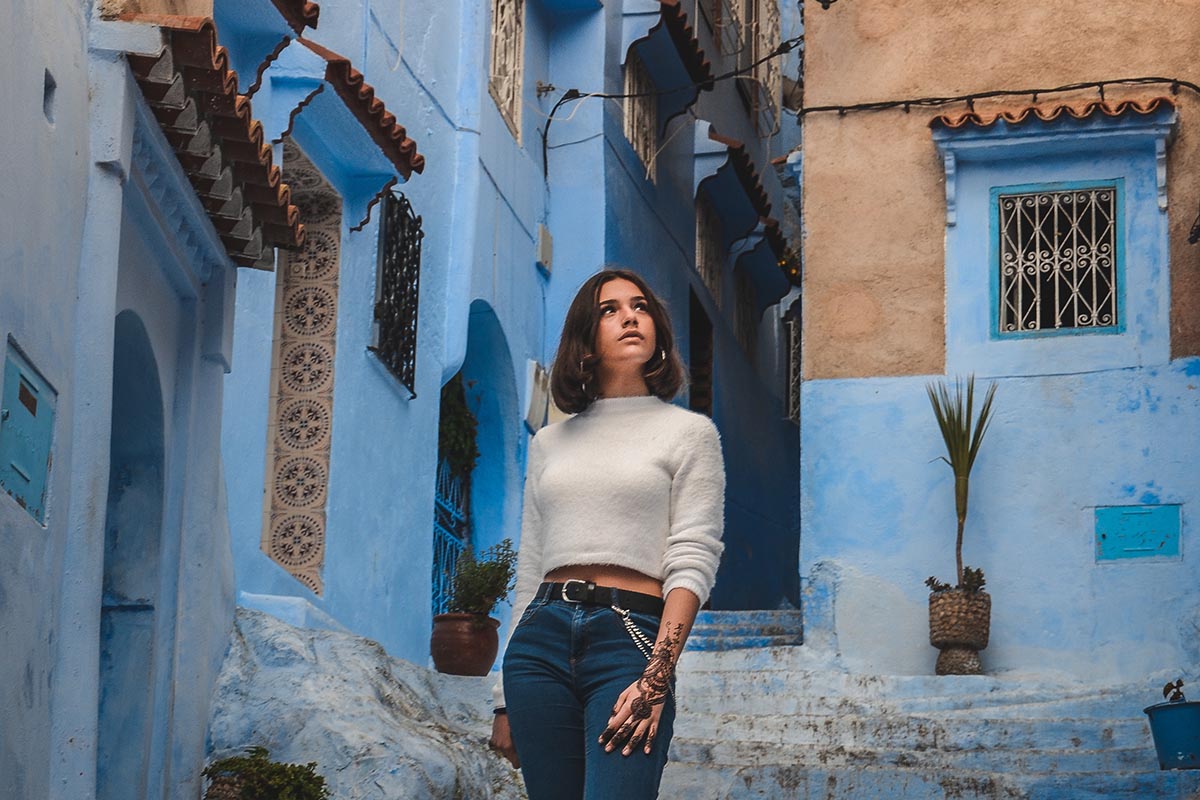
In a world where personalization reigns, fashion tourists crave bespoke experiences.
They yearn for tailored itineraries that unveil hidden gems and undiscovered talents.
From private fashion consultations with local stylists to exclusive access to ateliers and designer showcases, bespoke discoveries grant fashion enthusiasts a glimpse into the inner sanctums of the fashion world.
Each encounter becomes a cherished memory, a treasure to carry forever, resonating with the sentiment that fashion is an intimate extension of the self.
Digital Connection
In a digital age, technology intertwines with fashion tourism, forging a trend of virtual connection.
Travelers seek digital platforms that bridge distances, enabling them to engage with fashion communities worldwide.
Virtual fashion shows, interactive exhibitions, and digital marketplaces bring the runway to their screens, allowing them to discover emerging talents and connect with like-minded individuals.
The boundaries of fashion tourism expand beyond physical borders, creating a global network of creativity and inspiration.
Traveling to a new place for shopping
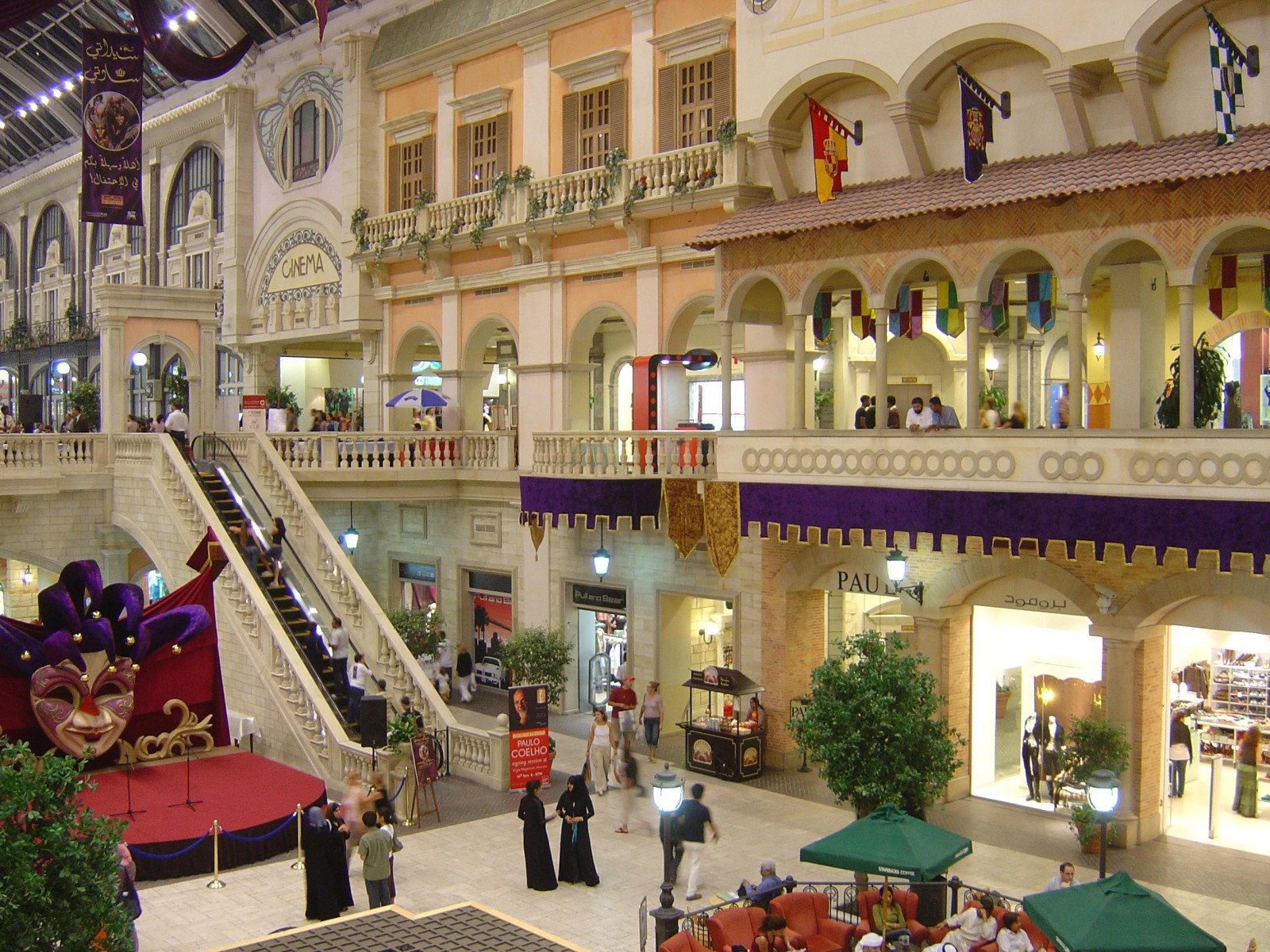
Globalization has enabled people to get hold of garments manufactured by foreign designers in any nation.
But some stores are rather exclusive.
They have outlets only in a few countries.
Morphe is a makeup brand that does not have an outlet in India.
The same can be said about a few high-end fashion labels as well.
They also don’t offer shipping facilities.
But what if you have your heart set on something?
Your fashion need will pave the path for a trip to a new nation.
Fashion capitals are thronged by people who desire to acquire the best the fashion industry can offer.
While celebs book a trip to Paris and Milan, an average Joe can check out fashion hubs like Malaysia and Singapore.
These countries offer inexpensive but rich-looking clothes. If a specific style is prevalent in the market, you will find it here.
Some high-end fashion stores have factories in these nations due to low labor costs.
So, fashion tourism has the dual benefits of seeing new places and obtaining stylish clothes at dirt-cheap prices.
Understanding the Culture and Fashion of a New Place
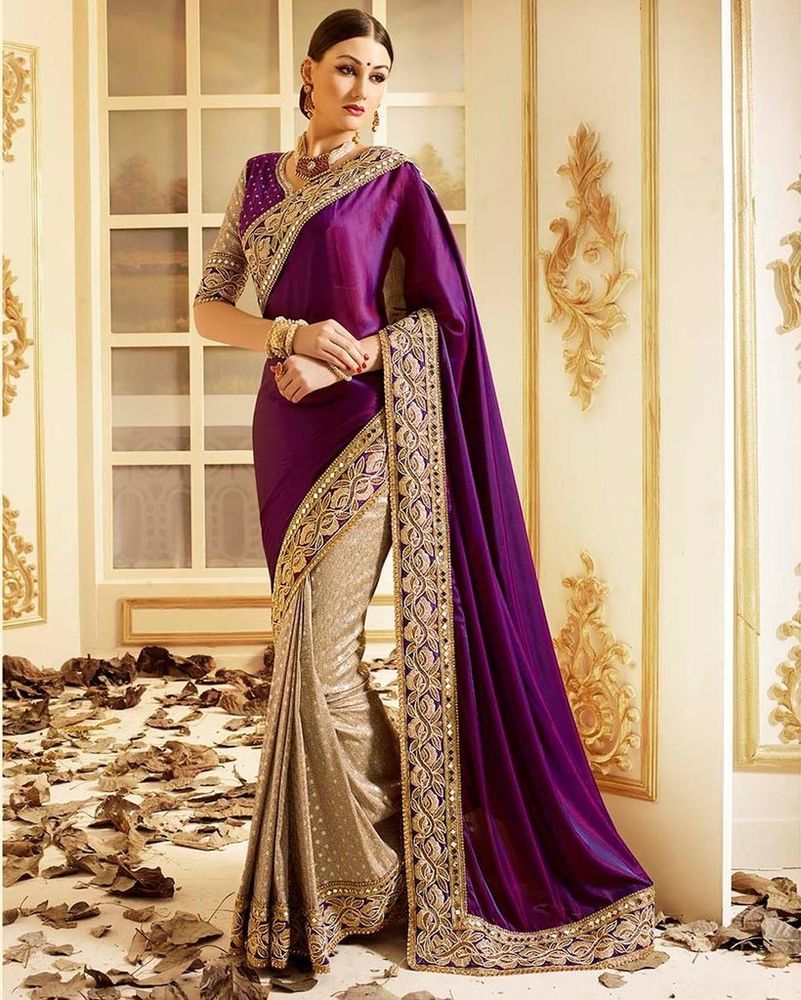
Fashion lovers don’t just travel in style to a new place to attain the latest fashion trends or to witness the masterpieces of reputed designers.
They take back a lot with them apart from clothes and accessories.
Foreigners who have never been to India will attain information about the culture, heritage, and lifestyle of Indians when they come to participate in Indian Fashion Week.
Creations of Indian designers, like embroidered and heavily embellished lehenga, Anarkali, and sarees are not the only items that will mesmerize you.
If this is your first time in India, you will taste traditional dishes, enjoy the hospitality, and much more.
If you want to purchase traditional Indian outfits, only a trip to India will satisfy you.
Apart from a million designs to choose from, the cost of the product will also be reasonable.
A designer saree that costs only a few thousand in India will become much more expensive once shipped out of India.
Apart from traditional outfits, you can pick up inexpensive ethnic jewelry and shoes from India.
These complement Western as well as Indian companies.
Boosts Urban Economy and Textile Industry?
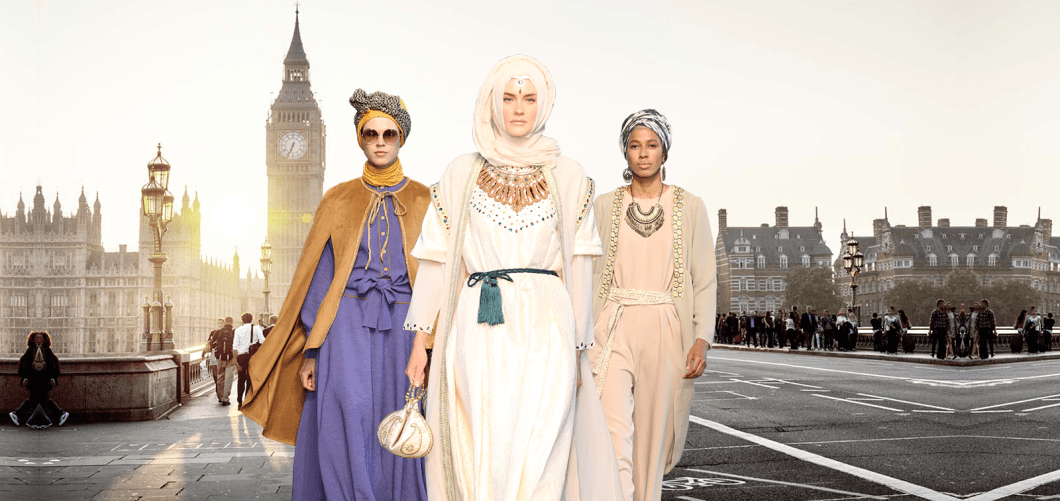
Fashion tourism is not about looking gorgeous or covering your body with labels.
It also plays a vital part in boosting the economy of the nation.
Millions of dollars are invested each year for organizing the fashion weeks in Milan, Paris, Sydney, and New York.
Fashion directly or indirectly offers a boost to the tourism of the area.
Fashion lovers from all over the world are in a mad rush to get to the location. It provides an instant profit to the airline companies.
This influx of people increases the hotel business as well. Fashion weeks introduce new trends to the market.
This means more work for people associated with the textile industry.
Textile development and garment manufacturing industries generate billions of dollars annually.
It sustains the fashion trade and puts money in the pockets of small businesses that depend on this mega-industry.
Why the long face? Cheer up!
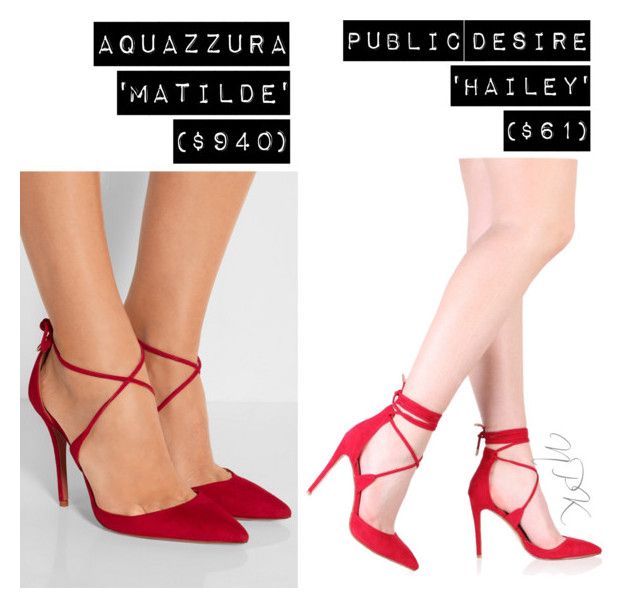
Owning a Picasso or a Da Vinci is something most people will never experience. The same applies to high fashion.
Luxury fashion brands like Chanel, Balenciaga, Dior, or Vera Wang create pieces that often cost thousands, sometimes even millions, making them inaccessible for the average person.
According to recent luxury market reports, more than 60% of consumers admire luxury fashion online but rarely purchase directly from high-end designer stores because of pricing.
But that does not stop people from wanting the feeling connected to luxury fashion.
And honestly, this is one of the biggest reasons fashion tourism keeps growing.
People travel not only to buy expensive items, but to experience fashion culture in real life:
- Visiting vintage stores in Paris hoping to find unique designer pieces.
- Exploring Milan fashion districts for outlet deals and hidden boutiques.
- Shopping in Tokyo or Seoul for styles unavailable back home.
- Finding luxury-inspired pieces or secondhand designer items in LA thrift stores.
For many travelers, fashion tourism becomes a more realistic way to experience style without spending millions.
That is also why resale fashion, vintage shopping, and designer-inspired fashion continue exploding globally.
People want individuality, quality, and the emotional experience connected to fashion, even if they cannot afford runway prices.
A simple vintage coat from Paris or handmade leather bag from Italy often feels more special than ordering another mass-produced item online because it carries a story, memory, and sense of place.
Fashion lovers rarely mind going the extra mile for something unique.
And sometimes the best fashion finds are not inside luxury malls, but hidden inside small boutiques, flea markets, artisan shops, or secondhand stores discovered during travel.
Fashion Tourism
Fashion tourism has become far more than shopping during a trip.
In real life, it helps people experience new cultures, discover personal style, support local businesses, and create emotional memories connected to places they visit.
Today, many travelers use fashion tourism to:
- Discover styles and trends they would never notice at home.
- Support local designers, artisans, and small fashion businesses.
- Create emotional memories connected to clothing, accessories, and experiences.
- Feel more connected to the culture and lifestyle of a destination.
- Explore self-expression through different environments and aesthetics.
From local artisan markets to small boutiques and fashion districts, these experiences often feel more personal and meaningful than traditional tourism alone.
As social media, lifestyle trends, and experiential travel continue growing, fashion tourism will likely become an even bigger part of the global travel industry.
People no longer want only products. They want stories, inspiration, connection, and experiences they can carry home long after the trip ends.