Preparing a Meal, Turning It Into A Love Affair Instead of Dreading It
✨ Key Points
- Plan around real life: Choose meals based on your available time, energy, ingredients, and household needs.
- Make simplicity acceptable: Convenient ingredients and backup meals can support consistent home cooking.
- Create enjoyment without pressure: Music, shared preparation, new flavours, and screen-free conversation can make cooking feel like personal time rather than another obligation.
Preparing a meal can feel rewarding when you have time, energy, and a clear idea of what to cook.
On a busy evening, however, the same task may create decision fatigue, extra dishes, missing ingredients, and pressure to prepare something everyone will eat.
The solution is not to turn every dinner into an elaborate cooking project.
It is to remove the small obstacles that make cooking feel harder than necessary:
- Decide what to cook before you become hungry.
- Keep several dependable meals in regular rotation.
- Match the recipe to your available time and energy.
- Prepare ingredients in a practical order.
- Use shortcuts without feeling guilty.
- Share cooking and cleanup responsibilities.
- Keep an easy backup meal available.
Cooking can also provide real-life benefits beyond putting food on the table.
It can help you control ingredients, reduce dependence on takeout, develop a useful hobby, and create screen-free time with a partner, children, or friends.
Some evenings may become an opportunity to experiment with a new cuisine; others may call for eggs, soup, or a simple sandwich.
This guide explains how to make preparing a meal easier, calmer, and more enjoyable without expecting perfection from yourself every night.
Make Sure You Have the Right Tools
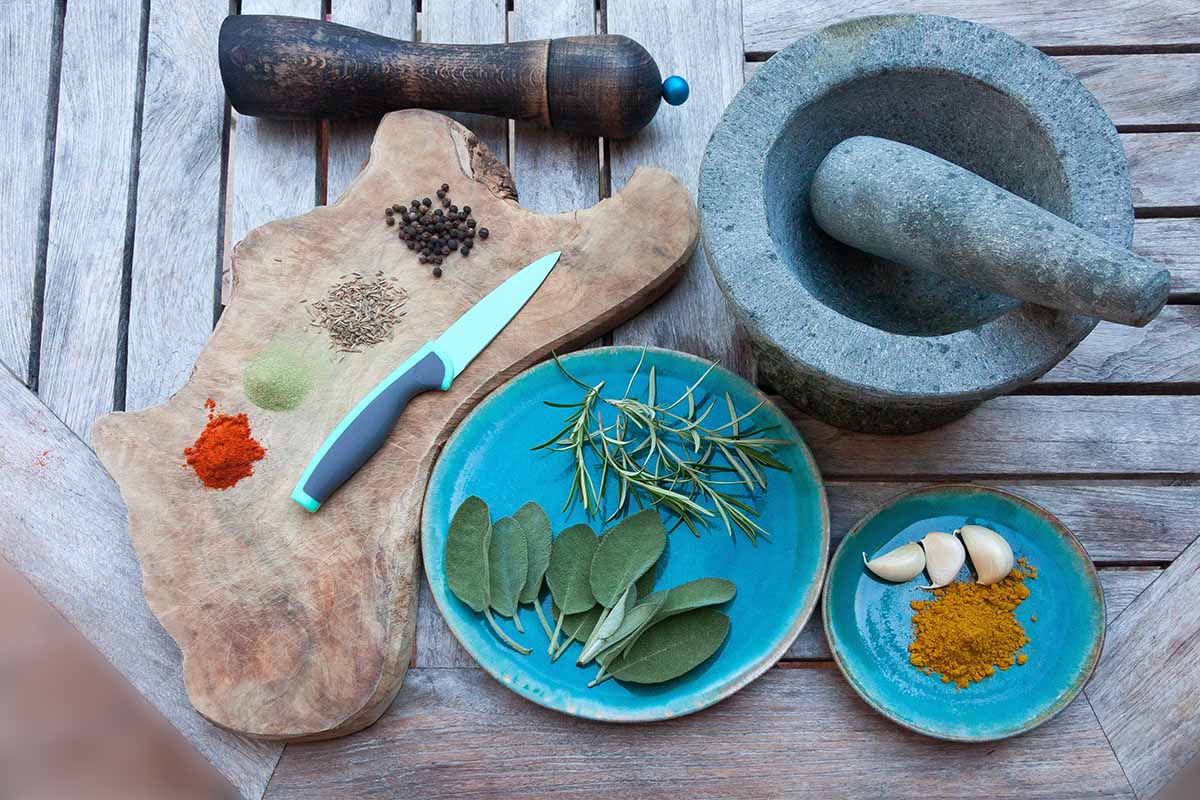
Cooking becomes slower and more frustrating when you cannot find the right pan, your knife is dull, or essential utensils are already in the dishwasher.
Read the complete recipe before starting and place the necessary equipment within reach.
Most everyday meals require only a few reliable tools:
- A stable cutting board;
- A sharp chef’s knife;
- A small paring knife;
- One large and one small saucepan;
- A dependable frying pan;
- A sheet pan or baking dish;
- A mixing bowl;
- A spatula, wooden spoon, and tongs;
- Measuring cups and spoons;
- An instant-read food thermometer;
You do not need an oversized collection. A well-made kitchen knife set can simplify chopping and preparation, but quality, comfort, and maintenance matter more than the number of knives included.
Hold a knife before purchasing when possible, and choose a handle that feels secure in your hand.
Keep knives sharp because a dull blade requires more pressure and can slip unexpectedly.
Always cut on a stable surface, keep fingertips away from the blade’s path, and store knives in a block, sheath, or magnetic holder rather than loose in a drawer.
The right tools should reduce effort and make cooking safer, not add clutter to the kitchen.
Begin with the essentials, then add specialised equipment only when you know you will use it regularly.
Create a Comfortable Kitchen Environment
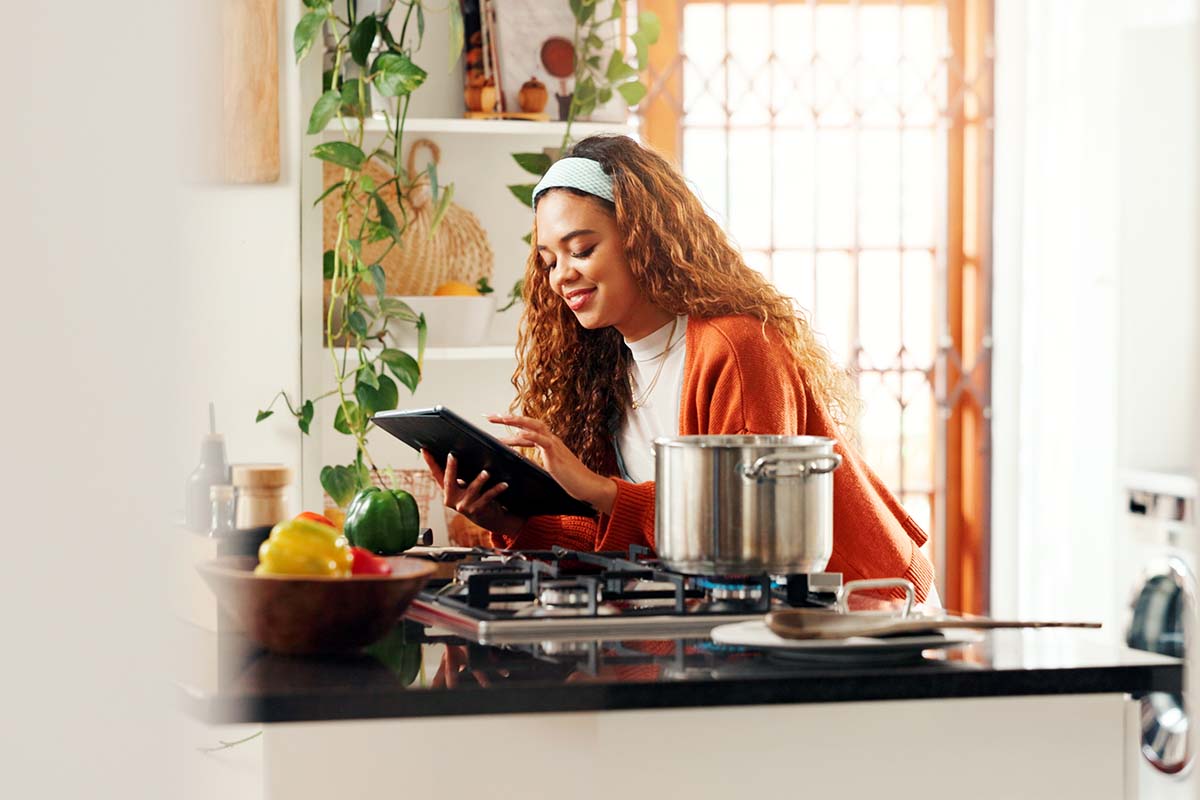
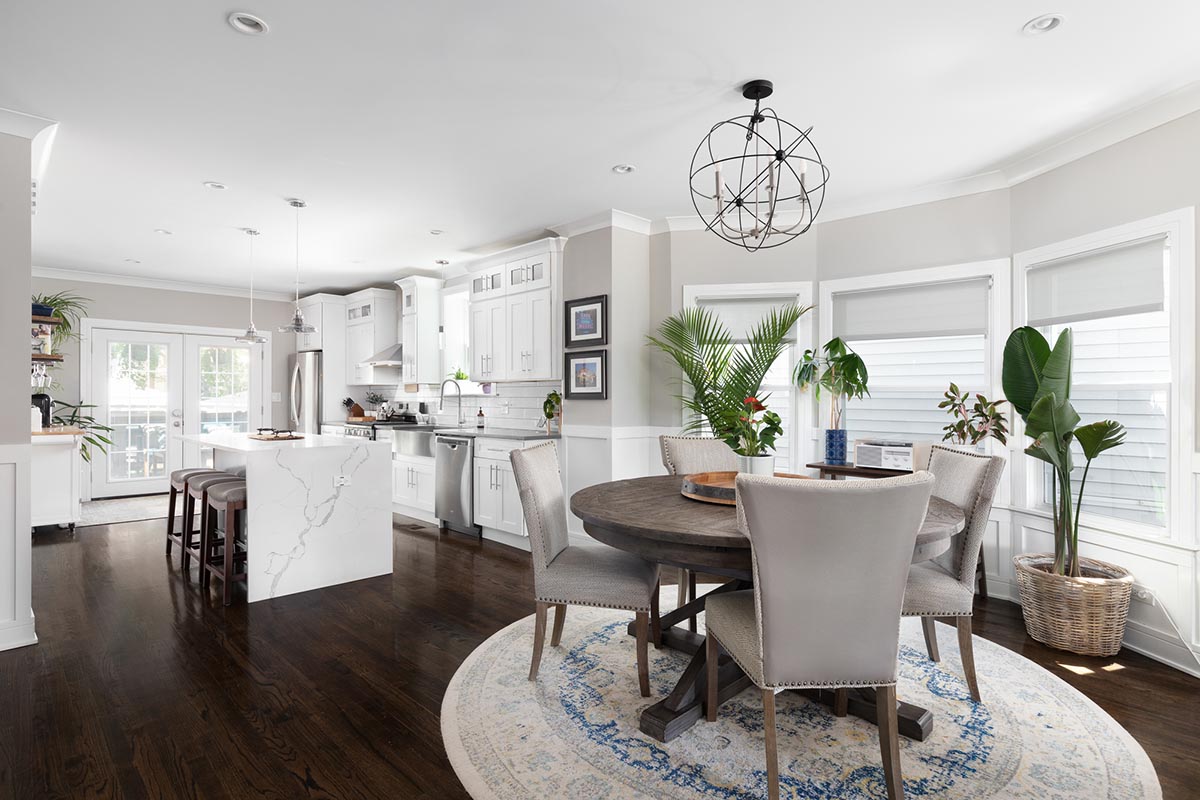
Make sure your kitchen is clean and clutter-free before you start cooking.
You do not need a perfectly styled room, just enough clear counter space to work safely and without unnecessary stress.
Set up your workstation by:
- Clearing dishes and unrelated items from the counter;
- Reading the recipe before beginning;
- Gathering the required ingredients and tools;
- Placing a waste bowl nearby for scraps;
- Keeping raw ingredients separate from ready-to-eat food;
- Creating dedicated areas for preparation, cooking, and serving;
- Cleaning small messes during natural pauses.
Useful accessories you can add to your kitchen include a nonslip mat, drawer organisers, a magnetic knife holder, under-cabinet lighting, and accessible containers for frequently used ingredients.
Choose accessories that solve an everyday problem rather than adding more clutter.
If you are considering broader kitchen remodel ideas, prioritise practical improvements such as task lighting, ventilation, sufficient electrical outlets, durable work surfaces, and storage near the area where each item is used.
A comfortable kitchen should reduce unnecessary movement and make preparing a meal feel calmer, safer, and more enjoyable.
Take Your Time
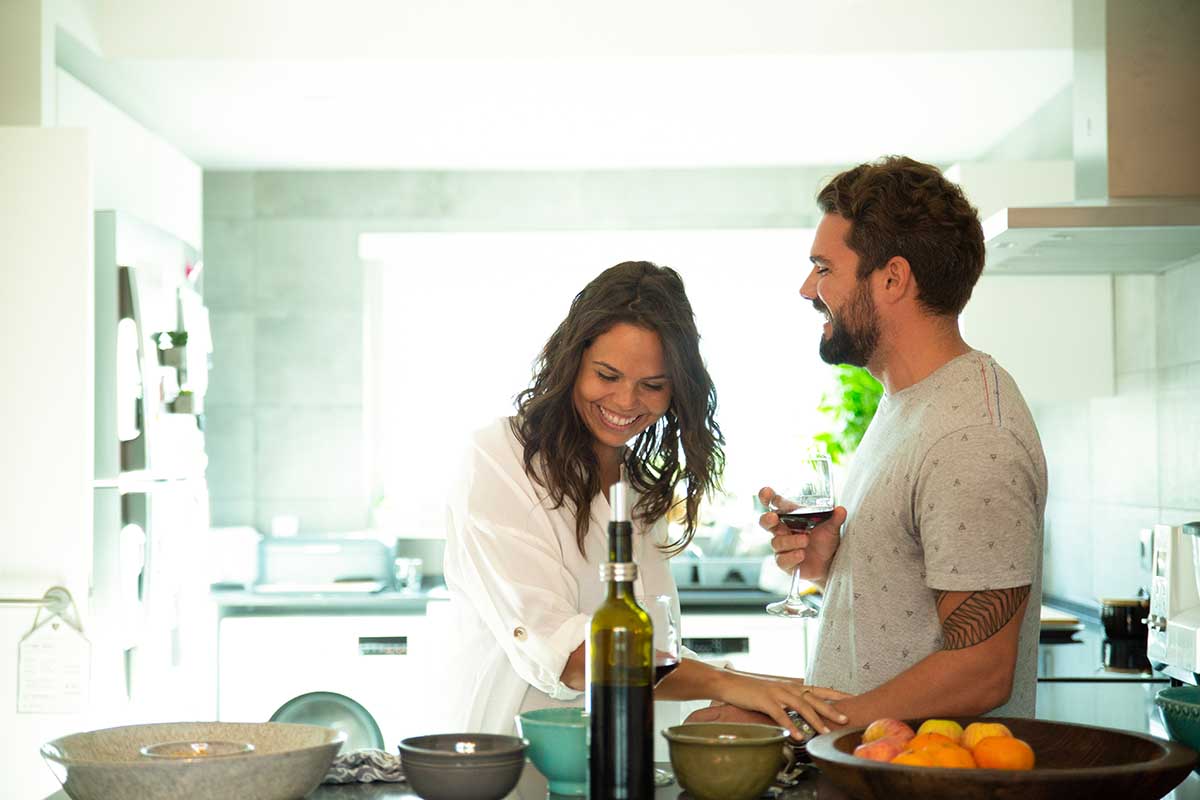
Rushing often leads to missed steps, forgotten ingredients, spills, and unnecessary stress.
When your schedule allows, relax and take your time prepping, cooking, and enjoying the process.
Make the experience more pleasant by:
- Playing music or a familiar podcast;
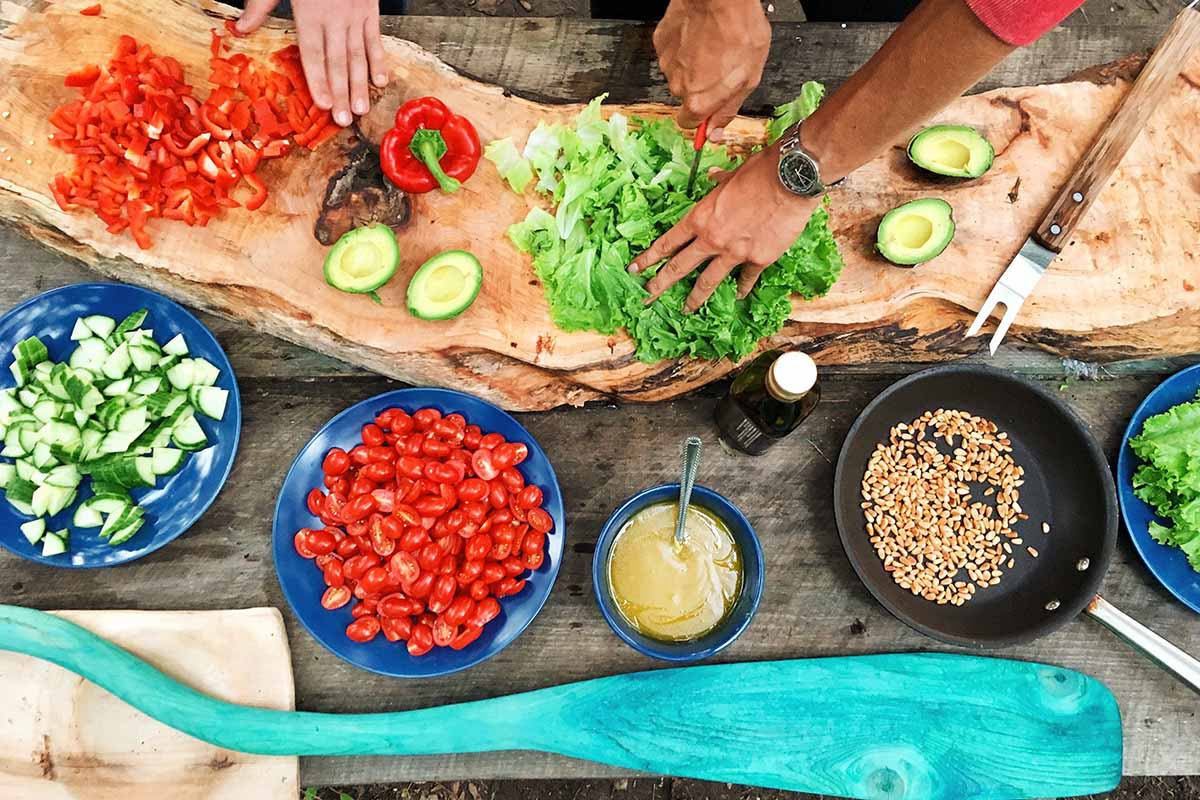
- Cooking with a partner, friend, or child;
- Preparing one ingredient at a time;
- Cleaning during natural pauses;
- Tasting and adjusting the food as you go;
- Setting the table before the meal is ready;
- Sitting down to eat without immediately returning to work.
Keep entertainment at a safe volume so you can hear timers, boiling liquids, smoke alarms, and other people in the kitchen.
Avoid phone calls or videos that distract you while chopping, frying, or handling hot cookware.
Not every meal needs to be slow or elaborate.
On a busy day, taking your time may simply mean choosing an easier recipe rather than forcing yourself to rush through a complicated one.
Learning the do’s and don’ts of cooking with olive oil can also make simple dishes easier to prepare without overheating the oil or using it incorrectly.
Creating a calmer, more realistic routine can help you eat more homemade meals without treating cooking like another performance you must complete perfectly. T
he goal is to make meal preparation a comfortable transition from work to personal time.
Be Patient
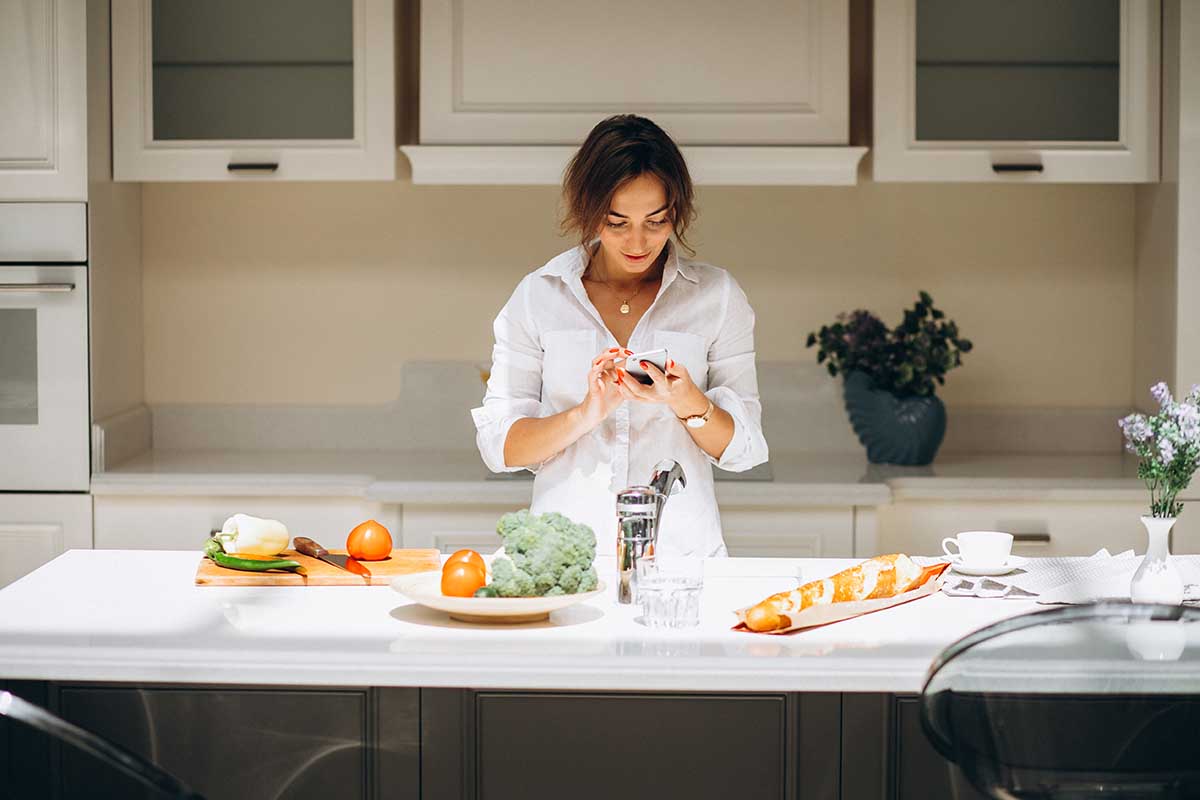
Some dishes need time for flavours to develop, meat to become tender, or sauces to reduce.
Increasing the heat may burn the outside while leaving the centre undercooked, so follow the recipe’s temperature guidance rather than trying to force the process.
For more consistent results:
- Read the complete cooking time before starting.
- Preheat the oven when the recipe requires it.
- Use a timer instead of relying on memory.
- Keep the oven door closed whenever possible.
- Maintain a gentle simmer rather than an aggressive boil.
- Stir only as often as the recipe requires.
- Use an instant-read thermometer to check doneness safely.
- Allow meat and baked goods to rest when instructed.
Opening the oven repeatedly can release heat and extend cooking time.
Lifting a pot lid has a similar effect when steaming, braising, or cooking rice.
However, some dishes must be uncovered for stirring, reducing, or checking texture, so follow the needs of the recipe instead of treating the lid as a strict rule.
Cooking times are estimates because appliances, cookware, ingredient size, and starting temperatures vary.
Use time as a guide, then confirm doneness through temperature, texture, colour, and other recipe-specific signs.
Focus on What Makes Cooking Worthwhile
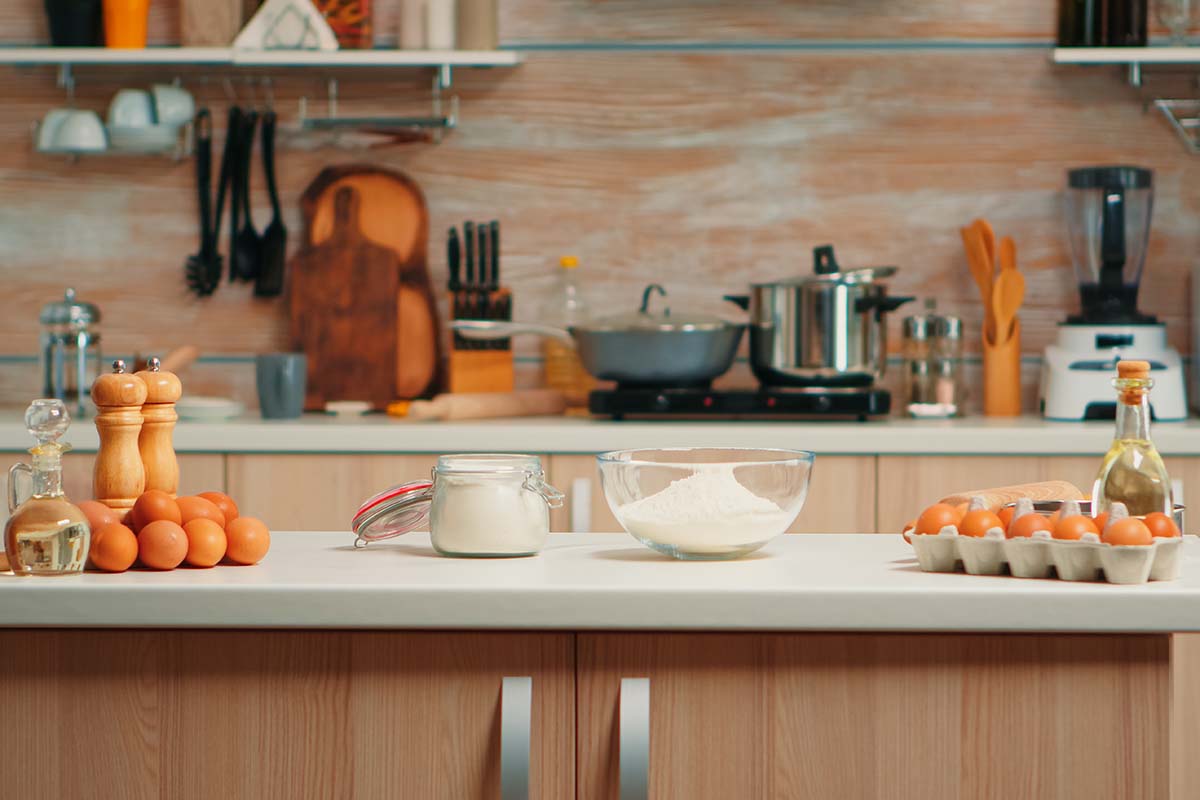
A positive mindset can make cooking more enjoyable, but it should not require pretending that every meal is fun.
Fatigue, limited time, picky eaters, and cleanup are real frustrations.
Instead of forcing enthusiasm, identify one part of the experience that feels rewarding.
That might include:
- Spending screen-free time with family or friends;
- Trying a recipe from another culture;
- Recreating a favourite restaurant meal;
- Listening to music while preparing ingredients;
- Building confidence in one cooking technique;
- Using ingredients before they go to waste;
- Preparing leftovers that simplify tomorrow’s dinner;
- Taking pride in feeding yourself or someone you love;
Set a realistic definition of success.
A simple meal prepared with care is still worthwhile, and using frozen vegetables, prepared sauces, or pre-cut ingredients does not make it less meaningful.
If cooking consistently feels overwhelming, change the process, not merely your attitude.
Choose shorter recipes, divide responsibilities, batch-cook selected ingredients, or schedule easier meals on demanding days.
Cooking becomes more enjoyable when it fits your real life rather than competing with it.
Make Cooking Fun
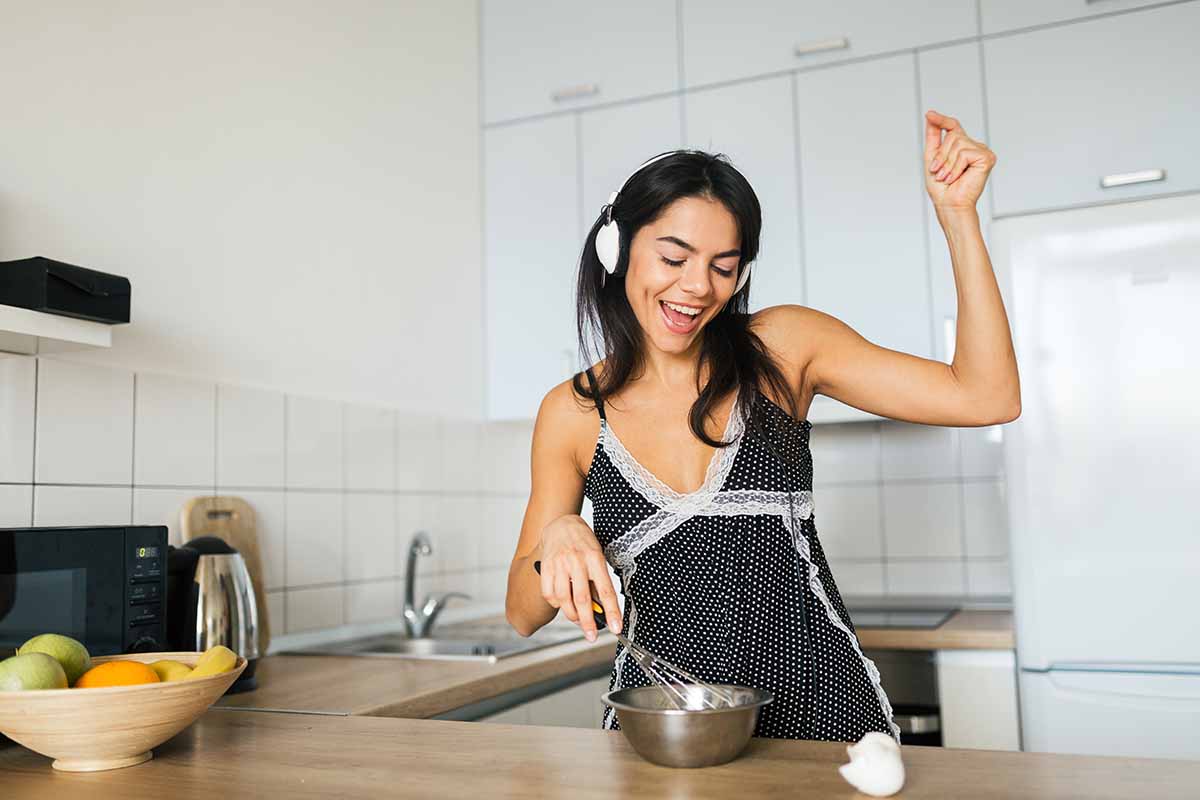
Cooking becomes easier to enjoy when it feels like personal time rather than another household obligation.
Play music, wear an apron you love, prepare a favourite drink, or invite family and friends to help with simple tasks.
Try making it more engaging by:
- Choosing a weekly theme, such as Italian or Thai night;
- Recreating meals from memorable trips;
- Growing tomatoes and herbs for homemade sauces and salads;
- Testing one new recipe each month;
- Photographing dishes and keeping a personal recipe journal;
- Organising a relaxed cooking evening with friends;
- Letting children choose ingredients or help with safe tasks;
- Creating seasonal traditions around favourite meals;
Use candles only away from towels, paper, curtains, loose clothing, and cooking surfaces. Battery-operated candles can create the same atmosphere without an open flame.
Cooking can also develop into a meaningful hobby. Growing tomatoes connects gardening with meal preparation, while experimenting with recipes builds creativity, patience, and practical skills. It can provide a screen-free transition after work and create more opportunities for conversation with people you care about.
Over time, that hobby may even become a source of income. Possible directions include:
- Creating recipe videos or UGC for food and kitchen brands;
- Starting a cooking blog, newsletter, or social media channel;
- Selling a digital recipe collection or meal-planning guide;
- Teaching beginner cooking classes;
- Offering food photography or recipe-development services;
- Promoting trusted kitchen products through affiliate content;
- Selling permitted food products under applicable cottage-food laws;
Monetisation should remain optional. Start by learning, documenting, and sharing what you genuinely enjoy rather than pressuring every hobby to become a business.
Conclusion
Making meal preparation enjoyable does not require expensive equipment or complicated recipes.
A realistic plan, a comfortable kitchen, reliable tools, patience, and permission to keep meals simple can remove much of the daily stress.
The real-life benefits can extend far beyond dinner. Cooking may help you:
- Create a healthier boundary between work and personal life.
- Spend less time scrolling or following stressful news.
- Build confidence and independence.
- Connect gardening, cooking, photography, and storytelling.
- Spend meaningful time with a partner, children, or friends.
- Explore cultures by recreating dishes inspired by Edinburgh’s food or food in Rome.
- Bring gastronomy tourism into everyday life by researching regional ingredients, traditions, and recipes.
- Reduce food waste by using ingredients creatively.
- Discover a hobby that could eventually support a creative business.
Begin with one meal you already love.
Improve it gradually, grow a few tomatoes or herbs if you have space, and use food to stay curious about places you have visited, or hope to explore.
Cooking can become part of a more creative, culturally connected, and balanced life.