How to Keep Your Home Fresh, Clean, and Well-Organized
✨Key Points
- Improve Indoor Freshness: Open windows when weather permits, maximize natural light, control moisture, and use indoor plants only where they can be maintained safely.
- Follow a Consistent Cleaning Routine: Use a 15-minute daily reset and a weekly room-by-room checklist to prevent dirt and clutter from becoming overwhelming.
- Declutter Before Organizing: Remove unwanted items first, then use labeled storage systems that keep frequently used belongings visible and easy to reach.
- Choose Essential Cleaning Supplies: Build a simple kit with microfiber cloths, a vacuum, dish soap, baking soda, and surface-appropriate cleaners instead of collecting unnecessary products.
A well-maintained home should support your life, not become another full-time job.
This matters even more when you work from home and the kitchen counter becomes a desk, unopened mail competes with breakfast, laundry stays visible during meetings, and there is no physical boundary telling your brain that the workday is over.
Clutter creates real daily friction.
You may lose time searching for keys, rebuy products you cannot find, move the same pile from chair to chair, or avoid inviting friends over because cleaning everything feels impossible.
In Seattle-area homes, months of rain can add wet shoes, muddy floors, damp coats, limited ventilation, and more time spent indoors.
The American Cleaning Institute found that 84% of Americans believe cleaning positively affects their mental health.
At the same time, its earlier research found that 21% consider cleaning tasks overwhelming,exactly why complicated systems often fail.
These practical home organization tips to reduce stress focus on the situations people face every day:
- A 10-minute evening reset instead of exhausting weekend cleanups;
- A landing zone for keys, mail, bags, and wet outdoor clothing;
- Clear work surfaces that help separate professional and personal time;
- Simple storage near where items are actually used;
- A room-by-room decluttering plan for people who feel overwhelmed;
- Easy routines for laundry, dishes, paperwork, and incoming packages;
- Seattle-friendly strategies for rain, mud, moisture, and indoor air quality;
- A small cleaning kit with products matched safely to each surface.
Natural ingredients such as vinegar and baking soda can be useful for certain jobs, but “natural” does not mean suitable for every material.
Never mix cleaning products unless the label explicitly permits it, and avoid vinegar on acid-sensitive surfaces such as natural stone.
The goal is not a home that always looks ready for Instagram.
It is a space where you can find what you need, finish work without staring at unfinished chores, welcome people without panic-cleaning, and rest without feeling surrounded by reminders of everything you have not done.
Creating a Fresh and Healthy Living Environment
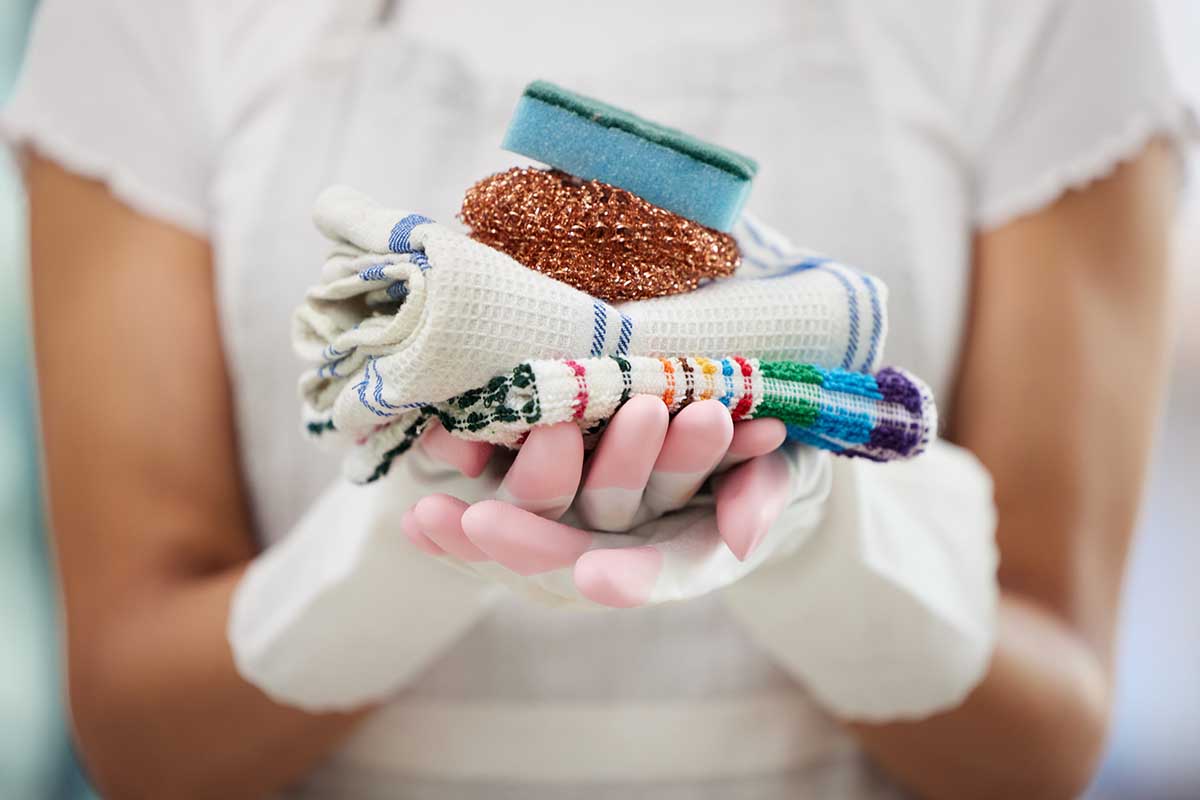
Creating a fresh and healthy home does not require constant deep cleaning.
It requires understanding which daily habits prevent buildup, when seasonal tasks matter, and how occasional deep cleaning of appliances can remove hidden grease, food residue, odors, and dust that routine surface cleaning misses.
A clean, organized space supports better mood, focus, and daily energy.
According to the American Cleaning Institute, over 80% of people say a clean home improves their wellbeing, which is why consistency matters more than perfection.
To keep things simple and effective, focus on:
- Why it matters: better mood, fewer allergens, less daily stress.
- Seasonal focus:
- Spring → declutter and reset
- Summer → airflow and light upkeep
- Fall → organize and prepare for indoor time
- Winter → control moisture and air quality
- Daily checklist:
- Wipe high-use surfaces
- Let in fresh air
- Reset key spaces (kitchen, living area)
- Put items back in place
These small, consistent actions help create a home that feels clean, calm, and easy to maintain — without spending hours on it.
Air Quality and Natural Freshness
The foundation of a fresh home starts with the air you breathe.
Poor indoor air quality doesn’t just create odors, it can affect focus, sleep, and long-term health.
According to the Environmental Protection Agency, indoor air can be 2–5 times more polluted than outdoor air, especially in tightly sealed homes.
The good news? Improving it is simple and low-cost.
Start with daily habits:
- Ventilate your space: open windows for 10–15 minutes each morning to create cross-airflow and remove stale air;
- Let oxygen in naturally: even short ventilation boosts freshness and energy levels;
- Reduce buildup: avoid trapping humidity, dust, and odors indoors;
Add natural support:
- Indoor plants like spider plants, peace lilies, and snake plants help filter air while adding a calm, visual touch;
- Keep plant placement strategic, living rooms, bedrooms, and workspaces benefit most;
Rethink your cleaning products:
- Many conventional cleaners release VOCs (volatile organic compounds) that linger in the air;
- Switch to natural alternatives to protect both air quality and health;
Simple, effective solution:
- Mix water + white vinegar + lemon essential oil for an all-purpose cleaner;
- It cleans surfaces while keeping the air genuinely fresh — no chemical residue;
The result isn’t just a cleaner home, it’s a space that feels lighter, healthier, and easier to live in every day.
Water Quality and Home Health
Water quality affects multiple aspects of home freshness, from the taste of your drinking water to the cleanliness of your surfaces.
Contaminants in water can leave residues, create odours, and impact your family’s health.
Modern water systems face increasing challenges from industrial chemicals and environmental pollutants.
Installing a quality water filter for PFAS Australia addresses these concerns by removing harmful per- and polyfluoroalkyl substances that standard filters miss.
Clean, filtered water enhances everything from cooking and cleaning to bathing and laundry.
You’ll notice clearer ice cubes, better-tasting beverages, and reduced mineral buildup on fixtures.
The investment in proper water filtration pays dividends through improved health outcomes and reduced cleaning requirements.
As part of effective home cleaning and organization tips, filtered water also leaves fewer spots on dishes and reduces soap scum buildup in bathrooms.
Maintaining Consistent Cleanliness
Daily Cleaning Habits
The secret to a consistently clean home lies in small, daily actions rather than marathon cleaning sessions.
Following simple home cleaning and organization tips, like a 10-minute morning and evening routine, prevents mess from accumulating.
Start each day by making beds, wiping bathroom counters, and doing a quick kitchen clean after breakfast.
These simple tasks set a positive tone and maintain baseline cleanliness.
Evening routines should focus on resetting living spaces for the next day.
Clear coffee tables, return items to their designated spots, and run the dishwasher before bed.
High-traffic areas requiring daily attention:
- Kitchen counters and sink;
- Bathroom surfaces;
- Entryway floors;
- Dining table;
- Living room surfaces.
Creating a ‘clean as you go’ mentality transforms cleaning from a chore into an automatic habit.
Wipe spills immediately, put items away after use, and tackle small messes before they grow.
Weekly Deep Cleaning Schedule
A structured weekly cleaning schedule ensures every area receives regular attention without overwhelming any single day.
Assign specific tasks to different days based on your energy levels and availability.
- Monday: Bathrooms deep clean. Focus on scrubbing toilets, showers, and tubs. Replace towels and restock supplies.
- Tuesday: Kitchen deep clean. Clean appliances inside and out, wipe cabinet fronts, and mop floors thoroughly.
- Wednesday: Dusting and vacuuming. Address all surfaces, including ceiling fans, baseboards, and window sills throughout the home.
- Thursday: Bedrooms Change bed linens, organize nightstands, and vacuum under beds.
- Friday: Living areas deep clean, living and dining rooms, including upholstery and electronics.
Time-saving techniques make weekly cleaning more manageable.
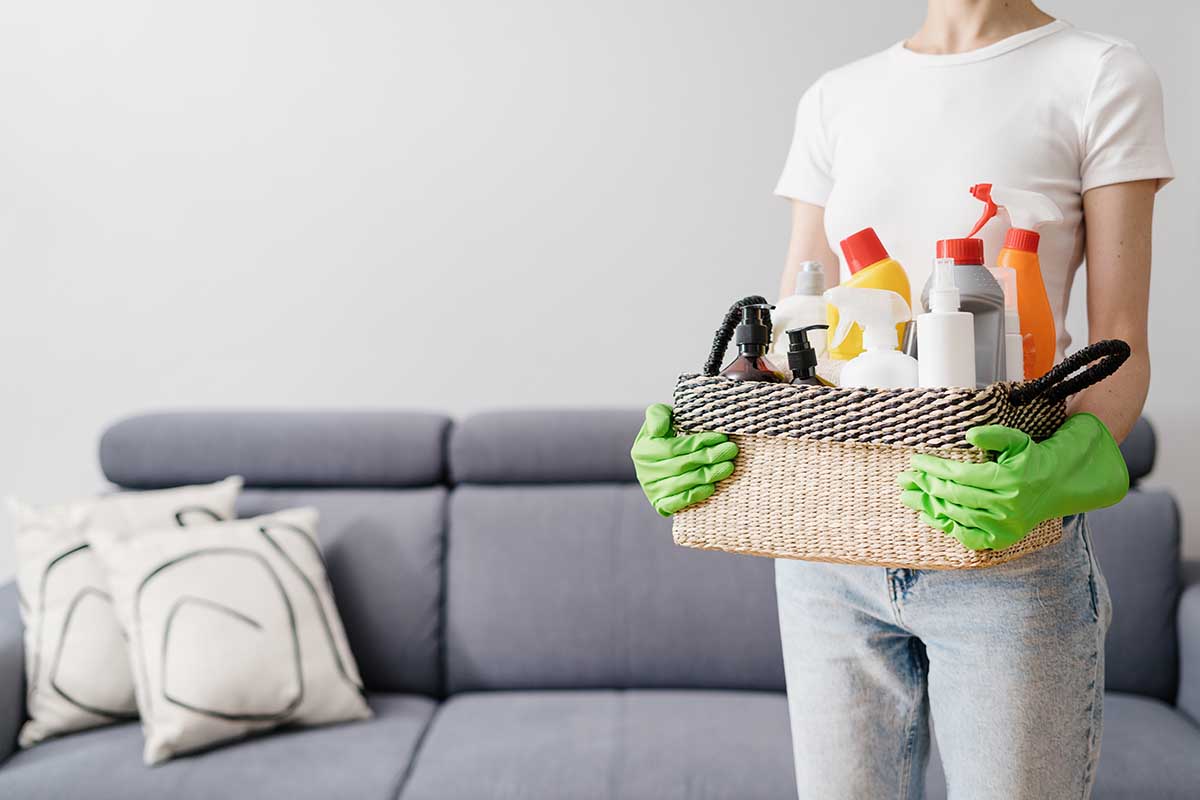
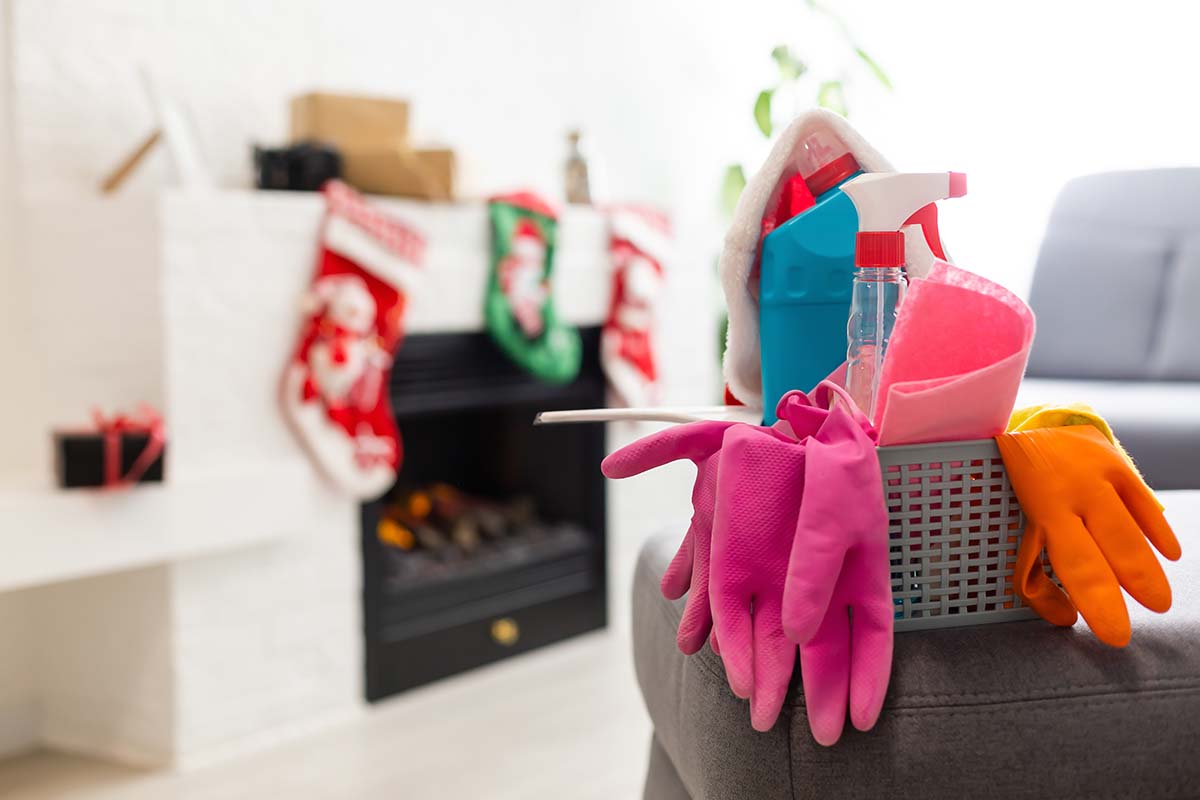
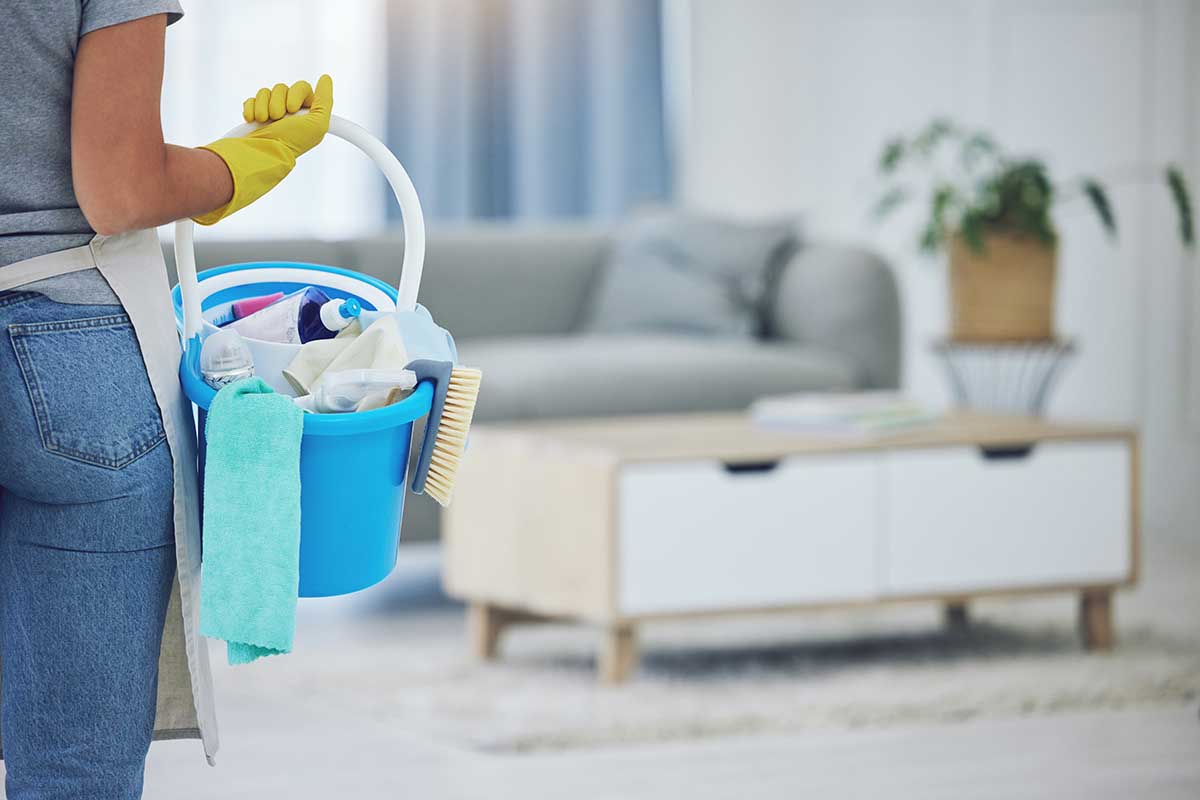
Use microfiber cloths that trap dust effectively, employ a cleaning caddy to keep supplies portable, and play upbeat music to maintain momentum.
These practical home cleaning and organization tips make multi-tasking easier—start laundry before tackling other tasks, let cleaning products sit while you work elsewhere, and batch similar activities together to maximize efficiency.
Seasonal and Special Cleaning Needs
Beyond regular maintenance, homes require periodic deep cleaning to address accumulated grime and hidden problem areas.
Quarterly tasks include washing windows, cleaning light fixtures, and shampooing carpets.
Spring and autumn present ideal opportunities for thorough home assessments.
Check for signs of pests, moisture issues, or wear that needs addressing.
Professional pest control Tenterfield services become essential when prevention fails.
Regular inspections catch infestations early, preventing damage and health risks associated with common household pests.
Seasonal pest prevention strategies:
- Seal cracks and entry points before winter;
- Remove standing water sources in summer;
- Clear vegetation touching exterior walls;
- Store firewood away from the house;
- Maintain clean, dry storage areas.
Moving situations demand exceptional cleanliness standards.
Professional end of lease cleaning services ensure properties meet inspection requirements while saving time during stressful transitions.
These services address often-overlooked areas like inside ovens, behind appliances, and carpet steam cleaning.
The thoroughness required for bond return often exceeds typical cleaning capabilities.
Smart Organization Systems
Bedroom Organization and Furniture Selection
Bedrooms should serve as peaceful retreats, but clutter quickly transforms them into stress-inducing spaces.
Smart furniture choices and organisation systems restore tranquility.
Investing in quality pieces like a solid timber bed frame with integrated storage maximizes space efficiency.
Under-bed drawers eliminate the need for additional furniture while keeping belongings easily accessible.
Wardrobe organization follows the principle of visibility equals usability.
Arrange clothing by category and color, use matching hangers for visual consistency, and store out-of-season items separately.
Bedroom organization essentials:
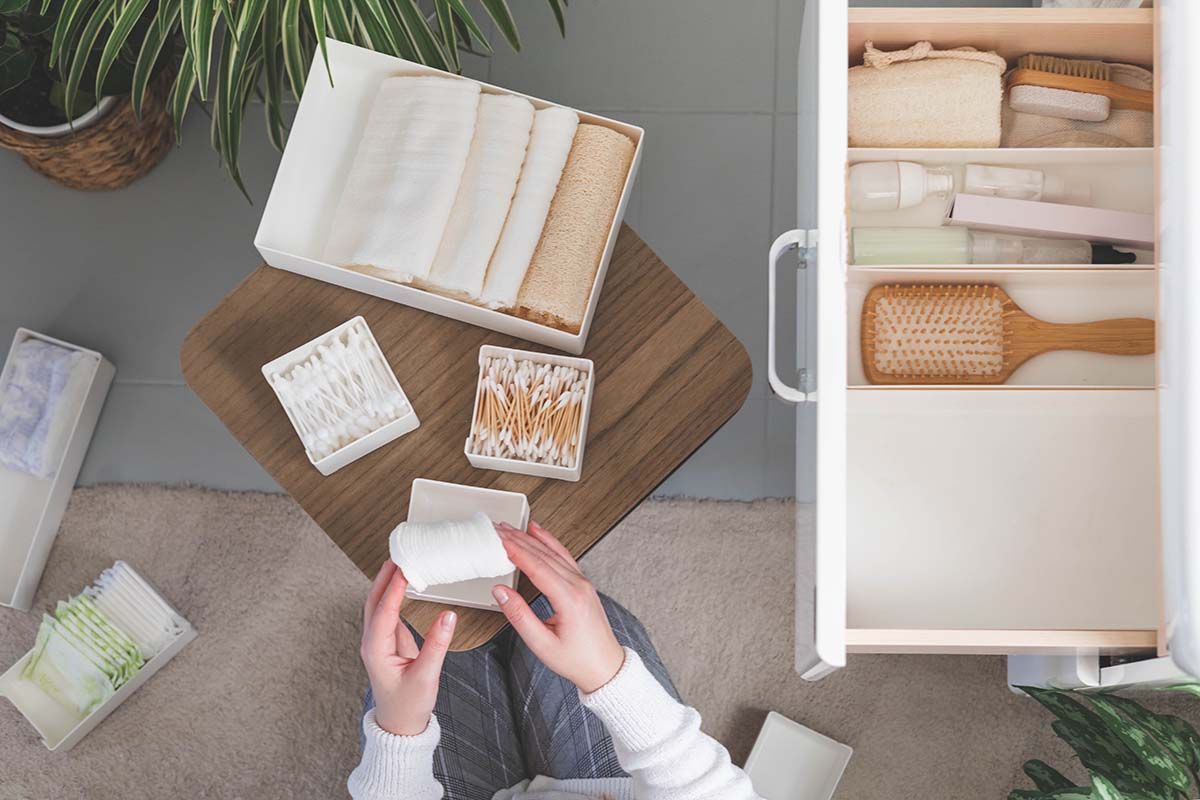
- Drawer dividers for small items;
- Over-door hooks for robes and bags;
- Bedside caddies for nighttime essentials;
- Clear storage boxes for accessories;
- Labels for consistency.
Creating designated zones within bedrooms improves functionality and helps keep your home clutter-free.
Establish separate areas for sleeping, dressing, and relaxation to maintain a clear purpose for each part of the room.
Nightstands often become clutter magnets.
Limit surface items to essentials such as a lamp, alarm clock, and current reading material.
Use drawer organizers to contain smaller items.
For decluttering for people who collect a lot of clutter, work through one category at a time, such as clothing, books, or beauty products—rather than emptying the entire room at once.
Living Areas and Lighting Solutions
Multi-purpose living spaces require flexible organisation strategies that accommodate various activities.
Proper furniture arrangement and storage solutions maintain order without sacrificing comfort.
Strategic lighting transforms both the ambiance and functionality of living areas.
Quality fixtures from lighting stores in Richmond offer solutions that enhance organization through improved visibility and space definition.
Task lighting illuminates specific work areas, making activities like reading or crafts more enjoyable.
Ambient lighting creates warmth while accent lighting highlights architectural features or artwork.
Lighting tips for organized spaces:
- Install dimmer switches for versatility;
- Use table lamps to create intimate zones;
- Add under-cabinet lighting in display areas;
- Position floor lamps to eliminate dark corners;
- Layer lighting types for maximum flexibility.
Open-plan living requires careful zone definition.
Use furniture placement, area rugs, and lighting to create distinct areas for dining, relaxation, and entertainment.
Storage furniture serves double duty in living spaces.
Ottoman storage, console tables with drawers, and built-in shelving provide hidden storage while maintaining aesthetic appeal.
Kitchen and Utility Areas
Kitchens demand exceptional organisation due to their multiple functions and frequent use.
Implement systems that prioritise accessibility and efficiency.
Group items by frequency of use, storing everyday dishes at eye level and special-occasion pieces higher up.
Keep counters clear by designating homes for small appliances.
Simple kitchen cleaning tips to speed up cleaning time include wiping spills immediately and storing frequently used supplies together.
Choose effective eco-friendly cleaning solutions for kitchens that are suitable for each surface and never mix cleaning products unless the labels confirm it is safe.
Kitchen organisation strategies:
- Use drawer dividers for utensils;
- Install pull-out shelves in deep cabinets;
- Employ lazy Susans in corner cabinets;
- Add hooks inside cabinet doors;
- Label pantry containers clearly.
Utility areas like laundry rooms and mudrooms benefit from vertical storage solutions.
Wall-mounted organizers, pegboards, and overhead shelving maximize limited floor space.
Create dedicated zones for different activities.
Establish separate areas for cleaning supplies, tools, and seasonal items to prevent cross-contamination and confusion.
Creating Sustainable Routines
Building Habits That Stick
Sustainable home maintenance relies on habits rather than motivation.
Start small with one area or routine, mastering it before adding complexity.
The 21-day rule suggests that consistent practice creates automatic behaviors.
Focus on one new habit at a time, tracking progress to maintain accountability.
Anchor new routines to existing habits. If you always have morning coffee, use that time to wipe kitchen counters.
This linking strategy increases success rates.
Family Involvement Strategies
Maintaining an organized home requires everyone’s participation.
Age-appropriate responsibilities teach valuable life skills while distributing workload fairly.
Create visual charts showing each person’s tasks.
Young children respond well to sticker rewards, while older family members appreciate clear expectations and autonomy.
Age-appropriate tasks:
- Toddlers: Put toys in bins;
- School-age: Make beds, set tables;
- Teens: Vacuum, laundry, bathroom cleaning;
- Adults: Deep cleaning, maintenance, organization.
Make cleaning enjoyable through gamification. Set timers for speed cleaning, play favorite music, or offer rewards for completed tasks.
Regular family meetings address organization challenges collaboratively.
Discuss what’s working, identify problems, and brainstorm solutions together.
The One In, One Out Rule
Preventing accumulation maintains organization long-term.
Every new item entering your home should trigger the removal of something similar.
This principle applies across categories from clothing to kitchen gadgets.
Before purchasing, identify what you’ll donate or discard to maintain balance.
Regular decluttering sessions prevent overwhelming accumulation.
Schedule monthly reviews of different areas, removing items that no longer serve their purpose.
Donation stations in closets or garages make decluttering convenient.
When items no longer fit or function, add them immediately rather than returning them to storage.
Maintenance Versus Major Overhauls
Consistent maintenance eliminates the need for exhausting overhauls.
Daily tidying, weekly cleaning, and monthly organisation reviews keep homes manageable.
Address problems immediately rather than postponing them.
Fix leaky faucets, repair torn screens, and tackle stains while fresh to prevent larger issues.
Seasonal assessments catch developing problems early.
Check for water damage, pest entry points, and wear patterns that indicate needed repairs or replacements.
Create maintenance calendars noting when filters need changing, when appliances require servicing, and when deep cleaning tasks are due.
This proactive approach prevents emergency situations.
Technology and Modern Solutions
Smart Home Integration
Modern technology offers innovative organization solutions.
Smart home devices automate routine tasks, freeing time for more important activities.
Robotic vacuums maintain floor cleanliness between deep cleans.
Smart thermostats optimize comfort while reducing energy waste.
Voice assistants set cleaning reminders and timers.
Apps designed for home management track cleaning schedules, maintenance tasks, and household inventories.
Digital solutions eliminate paper clutter while improving accountability.
Eco-Friendly Approaches
Sustainable cleaning and organization practices benefit both your home and the environment.
Choose reusable alternatives to disposable products whenever possible.
Microfiber cloths replace paper towels, reducing waste and expense.
Concentrated cleaning products minimise packaging while maintaining effectiveness.
Energy-efficient appliances and LED lighting reduce utility costs while supporting environmental goals.
Quality items that last longer ultimately create less waste than cheap, disposable alternatives.
Conclusion: Create a Home That Supports Your Real Life
A fresh, clean, and well-organized home is not about creating picture-perfect rooms.
It is about reducing the small frustrations that drain your energy, searching for keys, clearing a chair before sitting down, buying duplicates, or feeling embarrassed when someone visits unexpectedly.
A realistic daily home organization routine can help you:
- Start mornings with less stress;
- Find frequently used items quickly;
- Make cleaning feel more manageable;
- Reduce visual clutter and mental overload;
- Feel comfortable inviting people into your home;
- Create more time for rest, family, and meaningful activities;
Begin with one 15-minute reset: return items to their designated places, clear the main surfaces, prepare what you need for tomorrow, and stop when the timer ends.
The deeper goal is not constant tidiness.
It is creating a home that helps you recover from the outside world instead of giving you another list of unfinished tasks.
Small routines build that feeling of calm more reliably than occasional exhausting cleanups.
❓Frequently Asked Questions About Home Organization and Cleaning
Q: How Do I Start Organizing My House When I Feel Overwhelmed?
Start with one visible area that can be completed in 10–15 minutes, such as a kitchen counter, entryway, or bedside table. Finishing a small space gives you an immediate result without creating the bigger mess that often happens when everything is removed at once.
Use this order:
- Remove trash;
- Collect dishes and laundry;
- Return items that already have a home;
- Place misplaced items in one sorting basket;
- Clean the cleared surface;
Q: What Should Be Included in a 10-Minute Daily Home Reset?
A 10-minute daily reset should focus on the areas that create the most visual and practical stress. It is maintenance—not a complete cleaning session.
Prioritize:
- Clearing kitchen counters;
- Loading or emptying the dishwasher;
- Returning items to their designated places;
- Collecting visible laundry;
- Preparing the work area for tomorrow;
- Resetting the entryway;
- Taking out full trash.
Q: How Can I Prevent Work-From-Home Clutter From Taking Over My House?
Give work supplies one defined zone, even if you do not have a separate office. At the end of the day, close the laptop and place papers, chargers, notebooks, and headphones inside one drawer, cabinet, or portable work basket.
Create a simple shutdown routine:
- Process loose papers;
- Remove cups and dishes;
- Write tomorrow’s priority;
- Return supplies to storage;
- Clear the main work surface;
- Turn off work notifications;
Q: Should I Clean, Declutter, or Organize First?
Declutter first, clean second, and organize what remains. Buying containers before reducing unnecessary belongings often creates attractive storage for items you still do not use.
Follow this sequence:
- Discard trash and expired products;
- Donate or sell unwanted belongings;
- Clean the empty area;
- Group similar items;
- Store them near where they are used;
- Label containers only when labels add value.
Q: How Do I Keep My Seattle Home Clean During the Rainy Season?
Create a moisture-control zone at the entrance so rain and mud do not travel through the house. Wet shoes, coats, umbrellas, and pet towels need places where they can drain and dry completely.
A practical rainy-season setup includes:
- An outdoor scraper mat;
- An absorbent indoor mat;
- A washable boot tray;
- Hooks for wet coats;
- An open umbrella stand;
- Towels for pets and floors;
- Regular window-condensation checks;
- Ventilation or dehumidification where moisture collects.
Do not store damp clothing or towels inside closed cabinets. Drying wet items quickly helps control odors, mildew, and the constant feeling that the house is never completely fresh.