
Setting Up With Your First Car
✨ Key Points
- Budget beyond the purchase price. Insurance, registration, fuel, maintenance, parking, and unexpected repairs all contribute to the real cost of owning your first car.
- Complete the essentials before driving regularly. Insurance, registration, required documents, basic safety equipment, and an understanding of your vehicle should come first.
- Start good ownership habits immediately. Learning basic maintenance, checking tires and fluids, and following the manufacturer’s service schedule can help prevent avoidable problems.
You finally have the keys to your first car. Now what?
Buying your first vehicle brings independence, but the purchase itself is only the beginning.
New owners also need to think about car insurance, registration, maintenance, running costs, safety, and what to keep in the vehicle.
And this is where first-time ownership can become confusing. You may know how to drive, but nobody necessarily teaches you what happens after you buy the car.
So, what do you need for your first car?
Before you start driving regularly, work through a simple first car checklist:
- Arrange the insurance coverage required where you live.
- Complete the necessary title and registration requirements.
- Understand your monthly fuel, parking, insurance, and maintenance costs.
- Check the tires, lights, brakes, fluids, and other basic safety items.
- Learn your vehicle’s recommended maintenance schedule.
- Keep essential documents and appropriate emergency supplies in the car.
- Understand what warning lights mean and what requires immediate attention.
- Set aside some money for maintenance and unexpected repairs.
The exact requirements will depend on where you live and the vehicle you buy, so always check your local rules and the owner’s manual rather than relying on a universal checklist.
The goal isn’t to know everything about cars before your first drive.
It’s to understand the essentials well enough to drive legally, budget realistically, maintain your vehicle properly, and recognize a small problem before it becomes an expensive one.
This guide walks through what a first-time car owner should consider, from the paperwork and ongoing costs to maintenance and everyday preparation, so your first months of car ownership come with fewer surprises.
Purchasing Your First Car
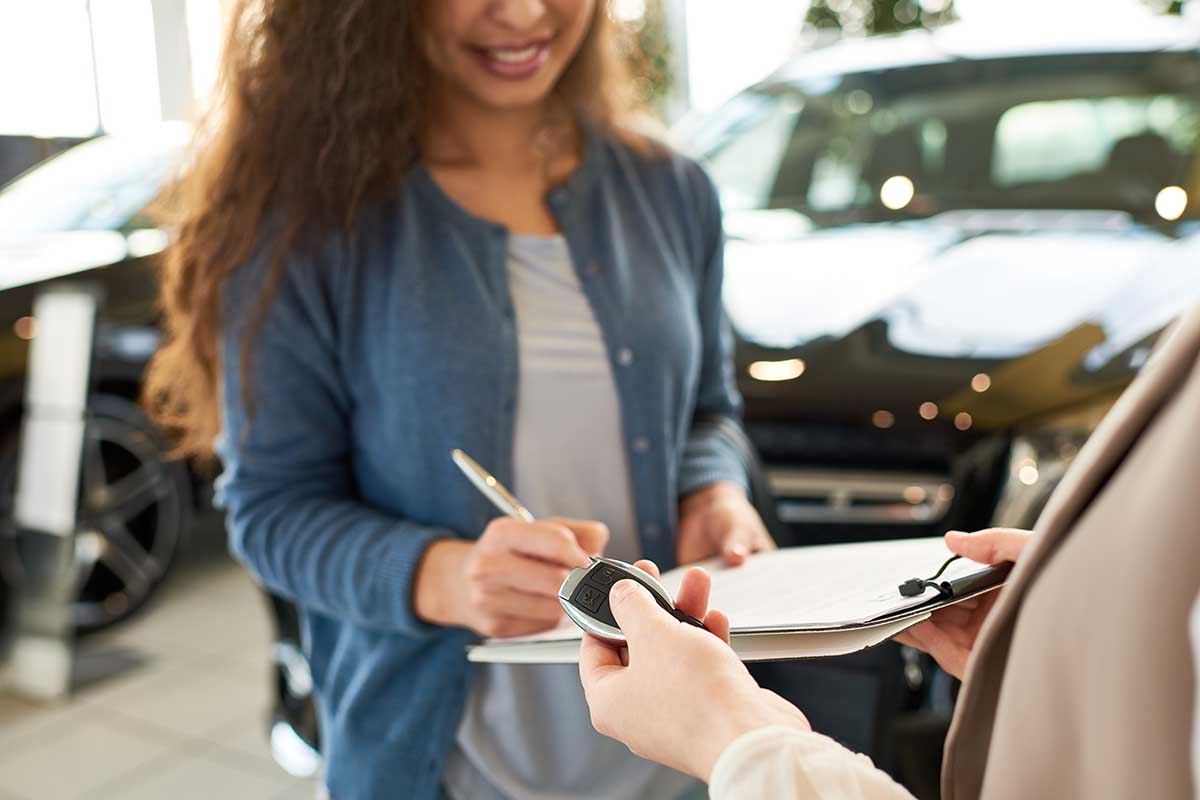
Buying your first car is usually the biggest financial step in becoming a car owner, but focusing only on the sticker price is an easy mistake to make.
If you’re still hesitating, ask yourself what’s stopping you from getting your first car.
Is it the upfront cost, monthly payments, insurance, uncertainty about maintenance, or simply not knowing which vehicle you can realistically afford?
Identifying that obstacle first can prevent you from stretching your budget just to get the keys sooner.
I know this from my own experience as a Mazda CX-30 owner in Washington State.
Living with a car teaches you quickly that the purchase price is only one part of what you’re committing to.
Insurance, fuel, routine maintenance, tires, registration, and unexpected repairs all contribute to the real cost of car ownership.
And if you live in Washington, remember to budget for annual vehicle registration fees.
Registration isn’t simply a one-time expense when you purchase the car; you’ll generally need to renew it every year.
The total can vary depending on the vehicle and where you live, so it’s one of the recurring expenses I factor into my own yearly budget as a CX-30 owner.
Another major decision is whether to buy a new or used car.
A new vehicle can offer warranty coverage and a more predictable maintenance history, but it typically comes with a higher purchase price.
A used vehicle can reduce the upfront cost, but its condition, mileage, maintenance history, and potential repair needs become much more important.
Before buying your first car, compare:
- Purchase price and financing costs, including the total interest you’ll pay rather than only the monthly payment.
- Insurance quotes for the specific models you’re considering.
- Registration, taxes, and local fees that add to the annual cost of ownership.
- Fuel economy, particularly if you expect to drive frequently.
- Maintenance and repair costs, including the price and availability of replacement parts.
- Reliability and service history, especially when buying used.
- Resale value if you don’t expect to keep the vehicle long term.
These are also some of the most important things to look for when buying an economical car.
A car with a low purchase price isn’t necessarily economical if it consumes considerably more fuel, costs more to insure, needs frequent repairs, or depreciates quickly.
If you’re buying used, be particularly cautious of a price that seems unusually low.
Check the vehicle history and maintenance records and consider having an independent mechanic perform a pre-purchase inspection before committing.
My experience with the CX-30 has reinforced one lesson I’d give any first-time car buyer: don’t ask only, “Can I afford to buy this car?” Ask, “Can I comfortably afford to own this car for the next several years?”
Your first car should give you more freedom, not introduce a collection of expenses you didn’t know were coming.
Insurance

For a first-time car owner, insurance should be arranged before you start driving regularly, not treated as something to figure out after buying the vehicle.
The confusing part is that the cheapest quote isn’t necessarily the best policy.
Coverage requirements vary by state, and minimum required coverage may still leave you responsible for substantial costs after a serious accident.
When comparing car insurance for your first car, look beyond the monthly premium and consider:
- Liability coverage and whether the limits provide enough protection for your circumstances.
- Collision and comprehensive coverage, particularly for a newer or financed vehicle.
- Your deductible and how much you could comfortably pay after a claim.
- Uninsured or underinsured motorist coverage, depending on your state and needs.
- Roadside assistance, rental reimbursement, and other add-ons you would actually use.
- The annual cost, not simply an attractive introductory monthly rate.
From my own experience, Progressive has been my car insurance choice for about five years.
However, as my premium has become more expensive, I’ve learned not to simply accept every renewal price.
I review my policy, ask whether there are available discounts or ways to reduce the premium without sacrificing coverage I need, and compare alternatives when necessary.
That’s a habit I’d recommend to any new car owner.
Insurance isn’t a “set it and forget it” expense.
Your rate can change over time, so review your coverage at renewal and make sure you’re still getting appropriate protection for the price you’re paying.
If you’re looking for auto insurance in Las Vegas, Root Insurance is another option to compare.
Whatever insurer you choose, compare coverage limits, deductibles, exclusions, and the overall protection, not price alone.
One question many first-time drivers don’t think about until an accident happens is: what happens if the other driver has no insurance?
Depending on your state and policy, uninsured or underinsured motorist coverage may help protect you when the person responsible for an accident doesn’t have sufficient insurance to cover the resulting losses.
That’s why the goal isn’t simply to find the cheapest first car insurance.
Learning how to find the best deal for your car insurance means comparing more than premiums, look at deductibles, coverage limits, available discounts, exclusions, and what you could actually have to pay after an accident.
It is also worth questioning some common myths about car insurance, such as assuming the cheapest policy always offers the best value or that every insurer will provide essentially the same protection.
Understand what your policy actually covers, what remains your financial responsibility, and where important coverage gaps may exist.
The right policy should balance affordable premiums with meaningful protection, so saving money today doesn’t leave you facing a much larger expense later.
Maintenance
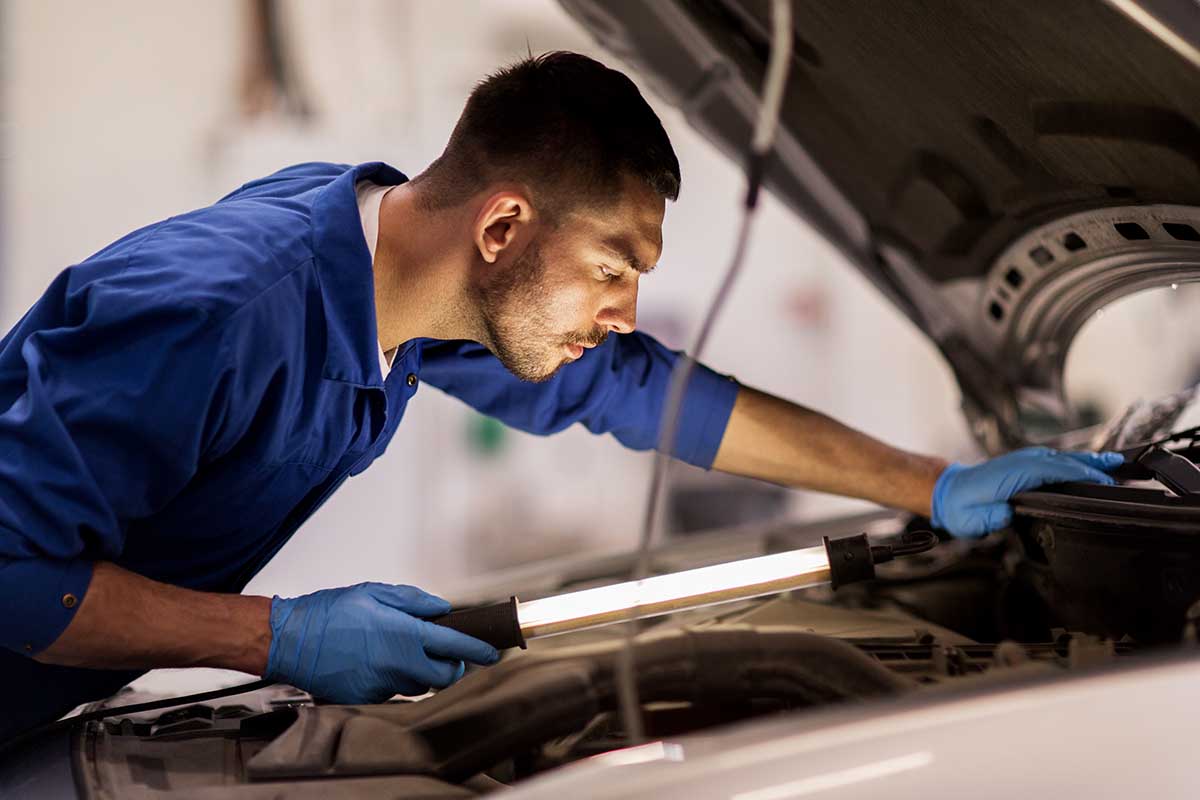
For a first-time driver, car maintenance can feel surprisingly confusing.
One person tells you to change the oil constantly, another says a modern car barely needs attention, and social media is full of shortcuts that could easily qualify as the worst car maintenance tips you’ll ever hear in your life.
The better approach is much simpler: learn a few basic maintenance tips for new car owners and follow the maintenance schedule for your specific vehicle.
Your ultimate car maintenance checklist beginner driver must know doesn’t need to turn you into a mechanic. Start with the things that can affect safety, reliability, and the long-term condition of your car:
- Engine oil: Learn how your particular vehicle measures oil and check it at the intervals recommended by the manufacturer. If your car has a dipstick, know how to read it correctly. Never assume you should add oil simply because you’ve taken a long trip.
- Tire pressure: Check it regularly and before longer journeys, using the recommended cold-tire pressure listed for your vehicle rather than the maximum pressure printed on the tire.
- Tire condition: Look for unusual wear, damage, and inadequate tread rather than waiting until you have a flat.
- Lights: Periodically check headlights, brake lights, turn signals, and taillights so other drivers can see you and understand what you’re doing.
- Fluids: Learn which fluids your car requires and where they are checked. Don’t mix products or top something up simply because it looks low without understanding what the vehicle requires.
- Warning lights: Don’t ignore a dashboard warning because the car still seems to drive normally. Check the owner’s manual and investigate warnings appropriately.
- Scheduled servicing: Follow the manufacturer’s recommended intervals rather than relying on a universal maintenance timetable from the internet.
One of the most useful habits when buying your first car is simply reading the owner’s manual, or at least the sections covering maintenance, dashboard warnings, tires, and fluids.
Modern vehicles can have very different maintenance requirements, and advice that was perfectly reasonable for an older car may be unnecessary or even inappropriate for yours.
Good car maintenance for beginners isn’t about constantly opening the hood and worrying that something is wrong.
It’s about knowing what to check, recognizing when something changes, and dealing with small maintenance needs before they have a chance to become expensive problems.
I thought the infographic Guide To Your Teen’s First Car, could also provide more information
Infographic created by Capital Auto Auction.